IAG Workshop on Asia Pacific Gravity, Geoid, and Vertical Datums
- Category:
- Commission 2
Manila, PH Manila, Philippines
Commission 2
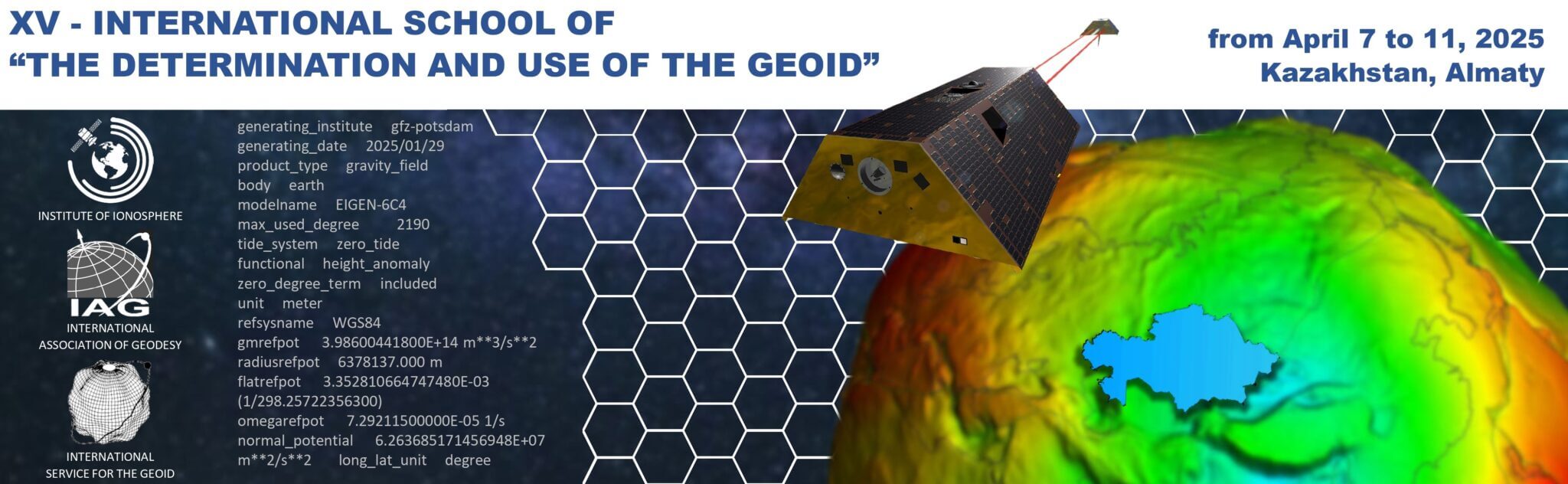
Dear Colleagues, We are glad to inform you that the International Service for the Geoid (ISG) has organized a new edition of the traditional International School on “The Determination and Use of the Geoid”. It has been planned in cooperation with the Institute of Ionosphere (Almaty, Kazakhstan), which fostered this initiative. Please share this announcement […]

The 3rd IAG Commission 4 Symposium: Positioning and Applications, will take place from 13 to 15 May, 2025, in Wuhan, China. As a continued Symposium Series of IAG Commission 4, this event will bring together scientists, researchers, and professionals working across the diverse field of positioning and its applications. The symposium a aims to foster […]
We are excited to announce that registration for the “2025 Glacial Isostatic Adjustment workshop: Advancing Models and Observational Constraints” taking place on June 2nd to 6th, 2025, in Sidney (British Columbia, Canada) & online, is now open. To register, please visit our website at https://polenet.org/2025-gia-workshop-registration/. Please note that space is limited by the physical capacity […]
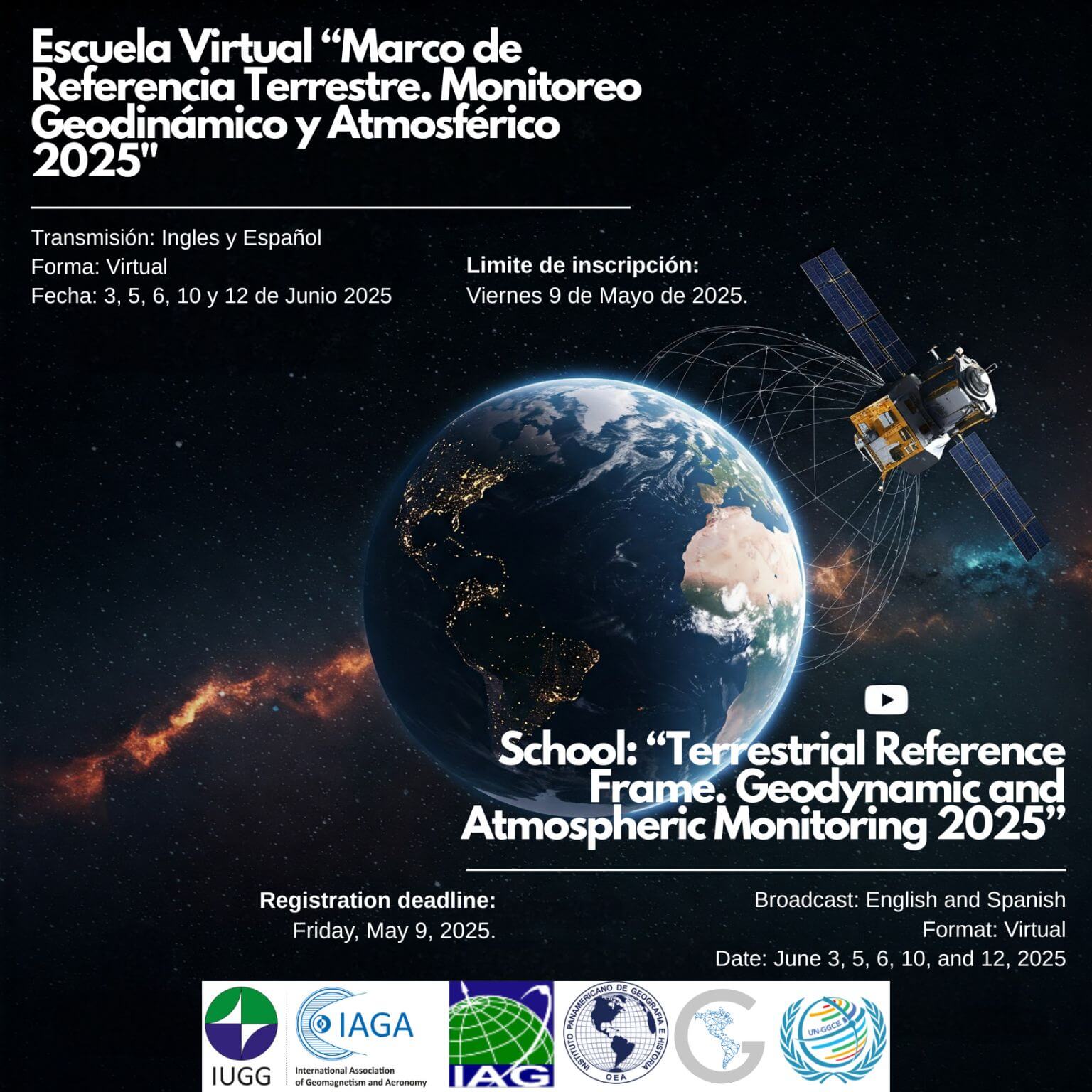
🎯 Course Objective: The objective of the 2025 School is to provide the most important concepts on the definition, implementation, and maintenance of global, continental, and national reference frameworks, as […]

This 7th stop focuses on the African continent. Virtual Organising Committee: Fernand Balé (Bureau National d’Etudes Techniques et de Développement, Côte d’Ivoire) and Babatunde Rabiu (National Space Research and Development […]

The Local and Scientific Organizing Committees are pleased to announce that the next EUREF Symposium will take place from 24 to 26 June 2025, at the University of Beira Interior, […]
ESA-NASA Joint session C.02.05 “MAGIC – Preparing for the ESA-NASA satellite gravity constellation”. 25/06/2025, Part 1, 14:00 - 15:30, Room 0.94/0.95 25/06/2025, Part 2, 16:15 - 17:45, Room 0.94/0.95 A.10.02 "Geodetic satellite missions and their applications" 25/06/2025, Part 1, 8:30 – 10:00, Hall E1 25/06/2025, Part 2, 8:30 – 13:00, Hall E1

We are thrilled to announce the upcoming Summer School on "Satellite-based Hydrological Data Assimilation", specifically designed for early career scientists (MSc, PhD, and Postdoctoral researchers). This exciting event will be hosted by the Geodesy Group at Aalborg University, Denmark, from August 26th to 28th, 2025. Why Attend? Dive into advanced techniques and tackle open challenges in measuring, modeling, […]
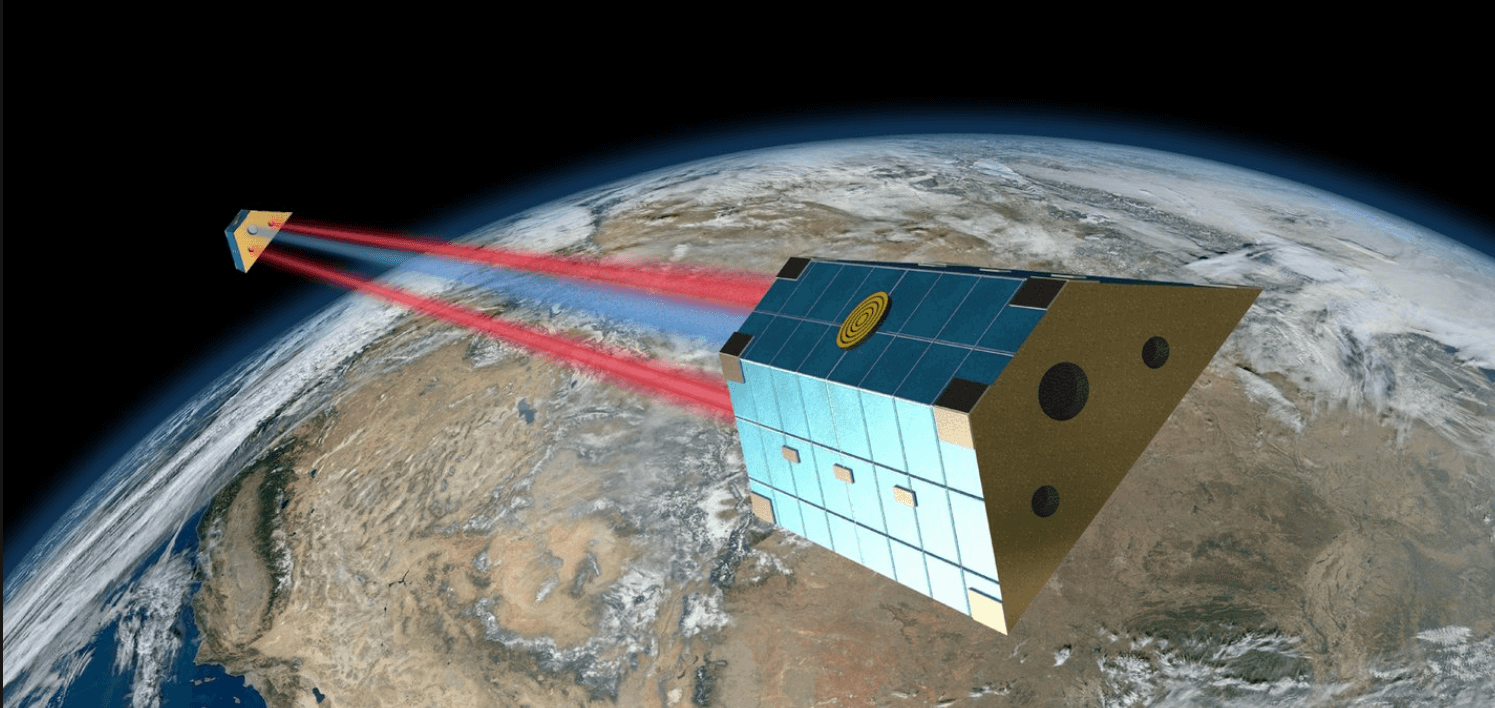
An online school on time-variable gravity from GRACE and GRACE-FO satellite missions Satellite gravimetry has become an indispensible tool for studying the earth system. The satellite missions CHAMP, GRACE/GRACE-FO and […]

The 2025 GRACE-FO Science Team Meeting will take place from Oct 7-9, 2025, in Boulder, CO (USA), at the University of Colorado, Boulder, in the Village Center! This meeting will be held in hybrid mode (i.e., in-person with live-remote options). Event Category: igfs
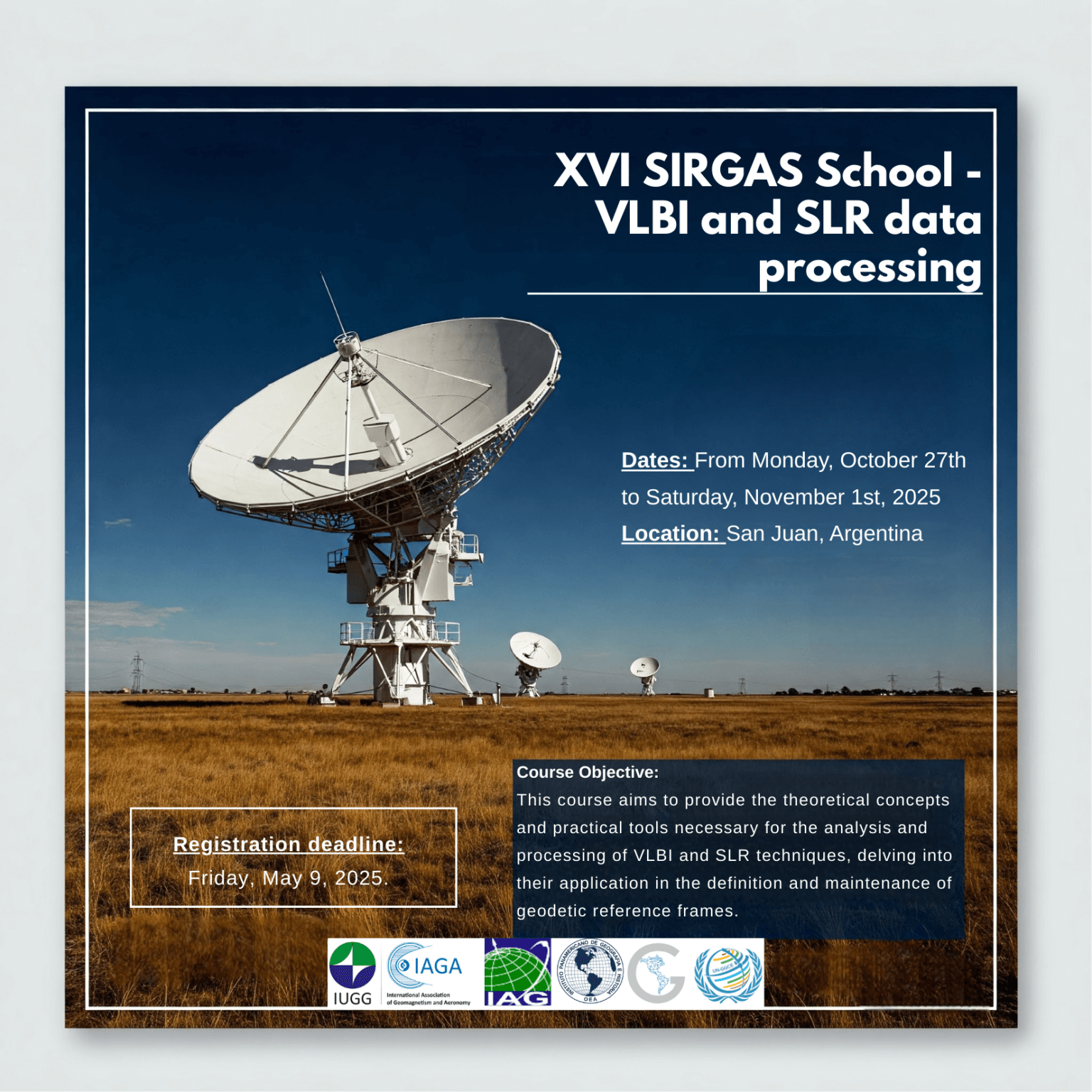
The XVI SIRGAS School will be held in the beautiful city of San Juan, Argentina, with the aim of training professionals in the field of geodesy through the processing of VLBI […]
"Talks on GIA" seminar - Constraining GIA where the mantle is heterogeneous AND Community Priorities for GNSS Measurements We will have two presentations. Erica Lucas (University of California, Santa Cruz, […]
Helio Guerra Neto and Jeff Freymueller from Michigan State University, East Lansing, USA, will present "GIA in the Great Lakes Basin: A Geodetic Perspective on Vertical Motion and Hydrological Loading" Vertical crustal motion in the Great Lakes Basin, North America, results from a combination of ongoing Glacial Isostatic Adjustment (GIA) and environmental and hydrological loadings. […]
Mirjam Bilker-Koivula (Finnish Geospatial Research Institute) and Holger Steffen (Lantmäteriet, Sweden), will present "The Whys and Hows of Dealing with Glacial Isostatic Adjustment in a Mapping Authority" Glacial isostatic adjustment (GIA) affects among others vertical datums, sea-level measurements, GNSS heights, and crustal motion models. Hence, it creates technical and practical challenges for mapping agencies. They […]
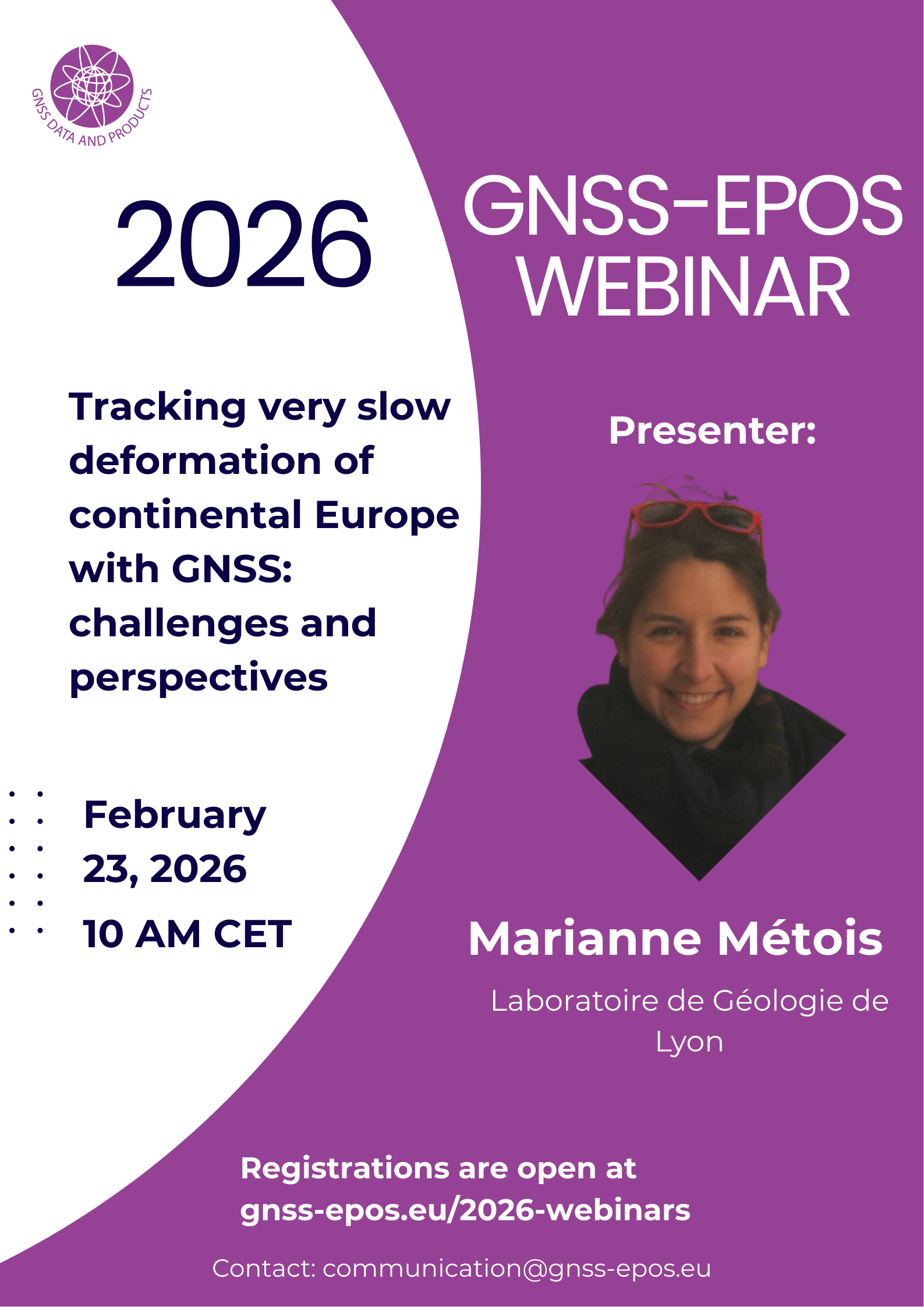
We are pleased to invite the GNSS-EPOS community to the inaugural session of our 2026 webinar series, featuring guest speaker Dr. Marianne Métois from the Laboratoire de Géologie de Lyon. Presentation Title: "Tracking very slow deformation of continental Europe with GNSS: challenges and perspectives" Event Details: Date: Monday, 23rd February 2026 Time: 10:00 – 11:00 […]
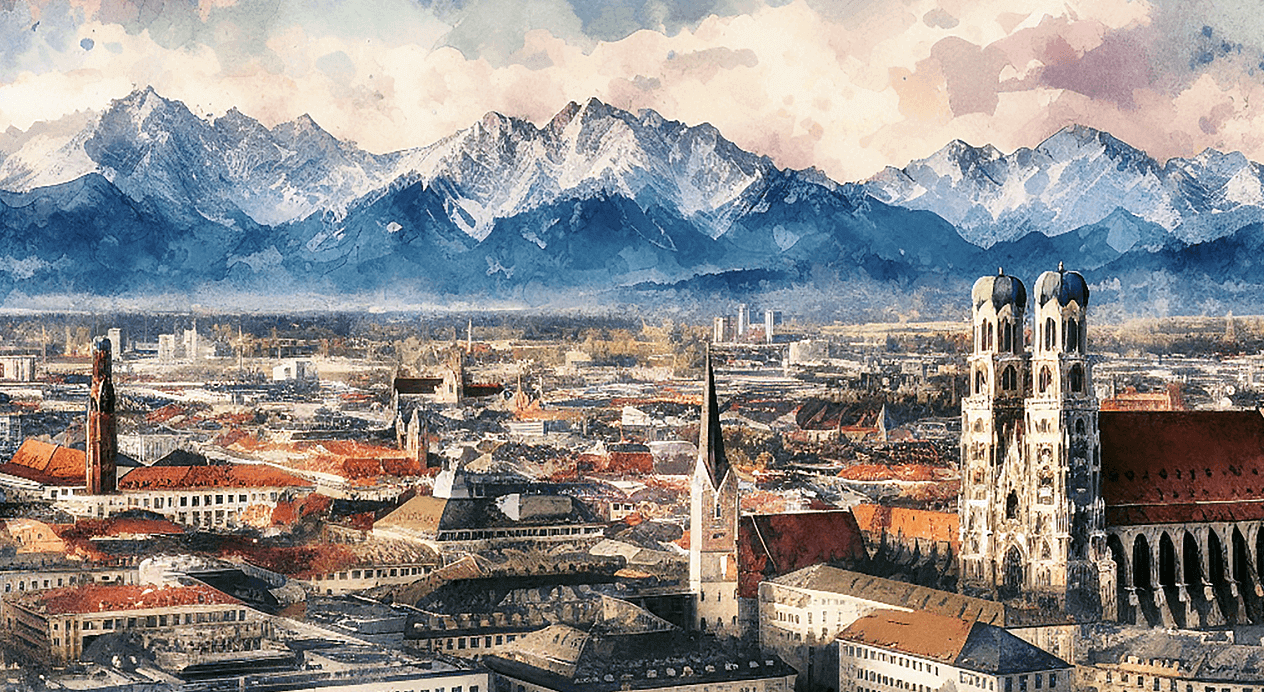
The Technical University of Munich (TUM) is proud to lead global geodetic research as it currently holds the presidents of Commission 1 “Reference Frames” of the International Association of Geodesy […]
Paul Tregoning (Australian National University, Canberra, Australia), will present "A tool to assess the accuracy of glacial isostatic adjustment predictions of present-day crustal uplift rates" While there are many global and regional glacial isostatic adjustment (GIA) models available that can be used to compute expected present-day uplift rates of the surface of the Earth, they […]
Tracking Mountain Aquifer Storage and Discharge Using Space Geodesy: Using high-precision GNSS surface displacements, this study quantifies groundwater storage changes in the Sierra Nevada and Cascade ranges. Results show long-term depletion due to droughts but rapid recharge during extreme precipitation events, which can restore and sustain groundwater storage and influence regional water supply and ecosystem resilience.
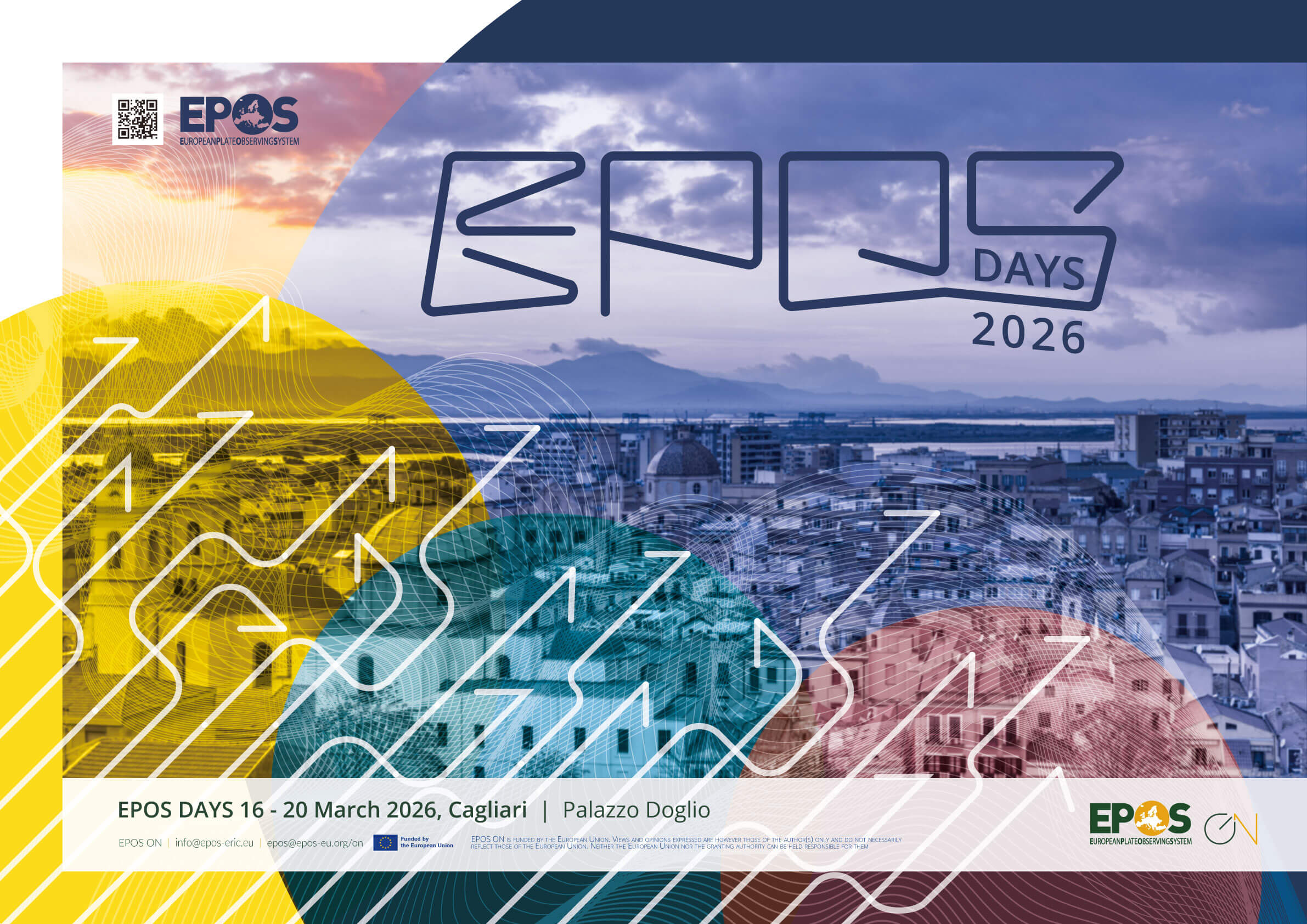
EPOS Days is the flagship annual conference of the European Plate Observing System (EPOS), bringing together researchers, data providers, and infrastructure developers from across Europe to advance collaboration in solid […]
We announce a seminar by Wenjin Chen on algorithms and software for efficient gravity forward modeling of hydrological mass changes. The talk reviews methods in Cartesian and spherical systems, comparing accuracy and efficiency of modeling approaches, and highlights trade-offs between realism and computation, with applications to hydrological mass change analysis.

IAG collaborates closely with numerous organizations within geodesy and beyond. See the list for details.


This website is provided by the IAG Secretariat and the GGOS Coordinating Office, which are hosted by the BEV – Federal Office of Metrology and Surveying (Bundesamt für Eich- und Vermessungswesen) in Vienna, Austria.