15th Session of the UN Committee of Experts on Global Geospatial Information Management (UN-GGIM)
- Category:
- UN (United Nations)
UN New York New York City, USA
We are thrilled to announce the upcoming Summer School on "Satellite-based Hydrological Data Assimilation", specifically designed for early career scientists (MSc, PhD, and Postdoctoral researchers). This exciting event will be hosted […]
Join us at the IAG 2025 Scientific Assembly from 1 to 5 September 2025, in Rimini, Italy. With the theme "Geodesy for a Changing Environment", the conference will explore critical […]
The annual business meeting of GGOS, known as GGOS Days, was integrated in 2025 with the IAG Scientific Assembly 2025. GGOS reports were given during the GGOS-related oral and poster […]
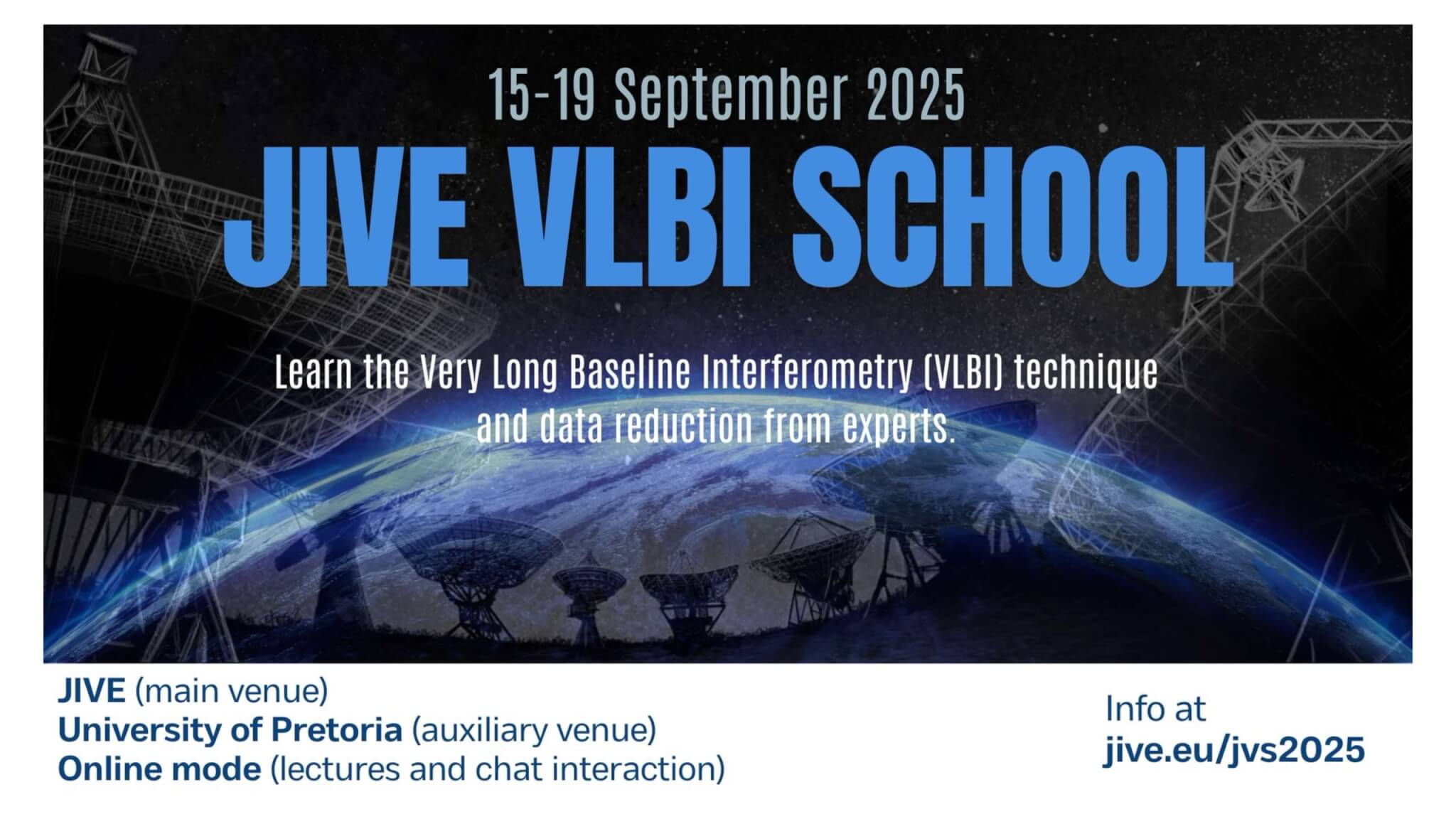
We are pleased to announce that the JIVE VLBI School (JVS 2025) will take place during the week of 15-19 September 2025. The school will be held simultaneously at the […]
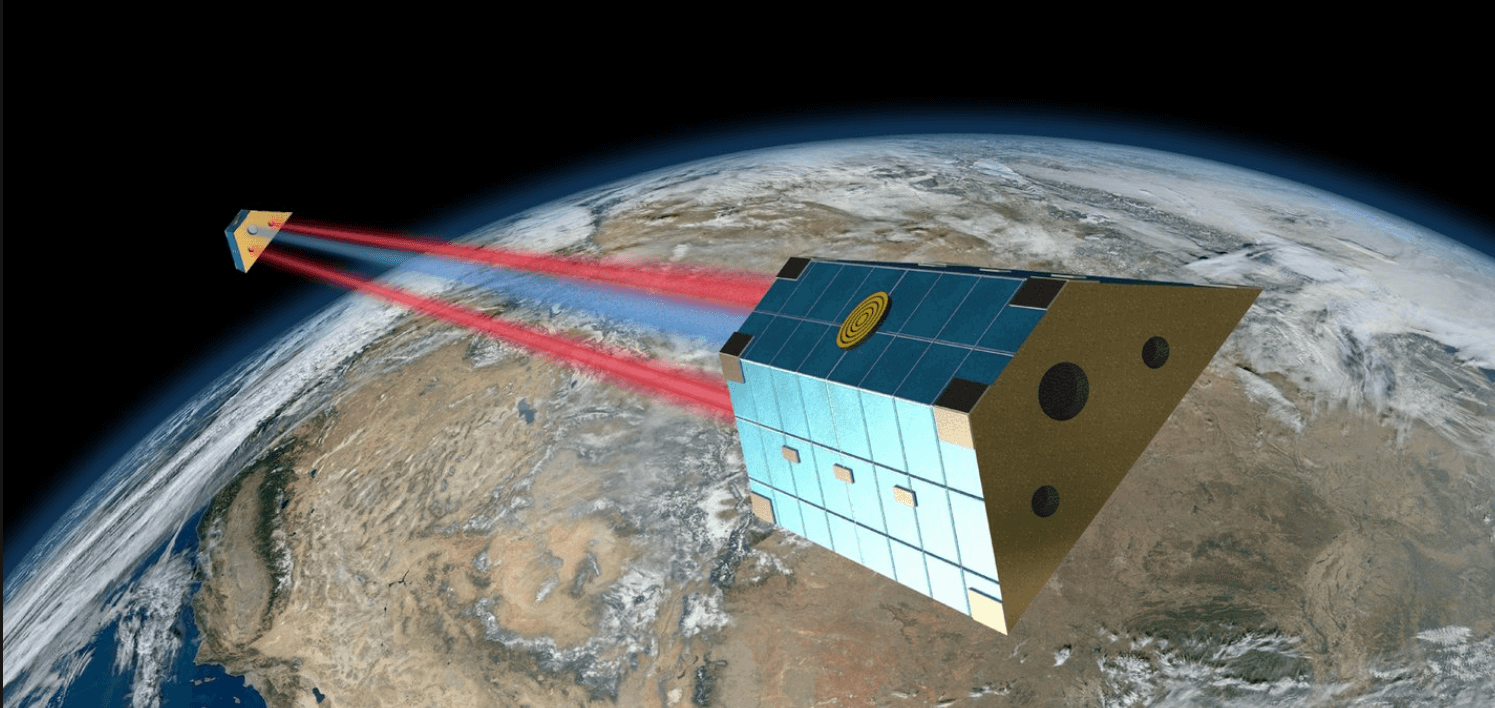
An online school on time-variable gravity from GRACE and GRACE-FO satellite missions Satellite gravimetry has become an indispensible tool for studying the earth system. The satellite missions CHAMP, GRACE/GRACE-FO and […]
Towards a National Geodesy Working Group for South Africa Geodesy — the science of measuring the Earth’s shape, orientation, gravity field, and changes over time — is the foundation of […]
The 2025 GRACE-FO Science Team Meeting will take place from Oct 7-9, 2025, in Boulder, CO (USA), at the University of Colorado, Boulder, in the Village Center! This meeting will […]
Event Category: other
The 34th CODATA General Assembly will take place on 17-18 October 2025 in Brisbane, Australia, and online. See the letter from CODATA President convening the General Assembly on the dates following the International Data Week 2025.
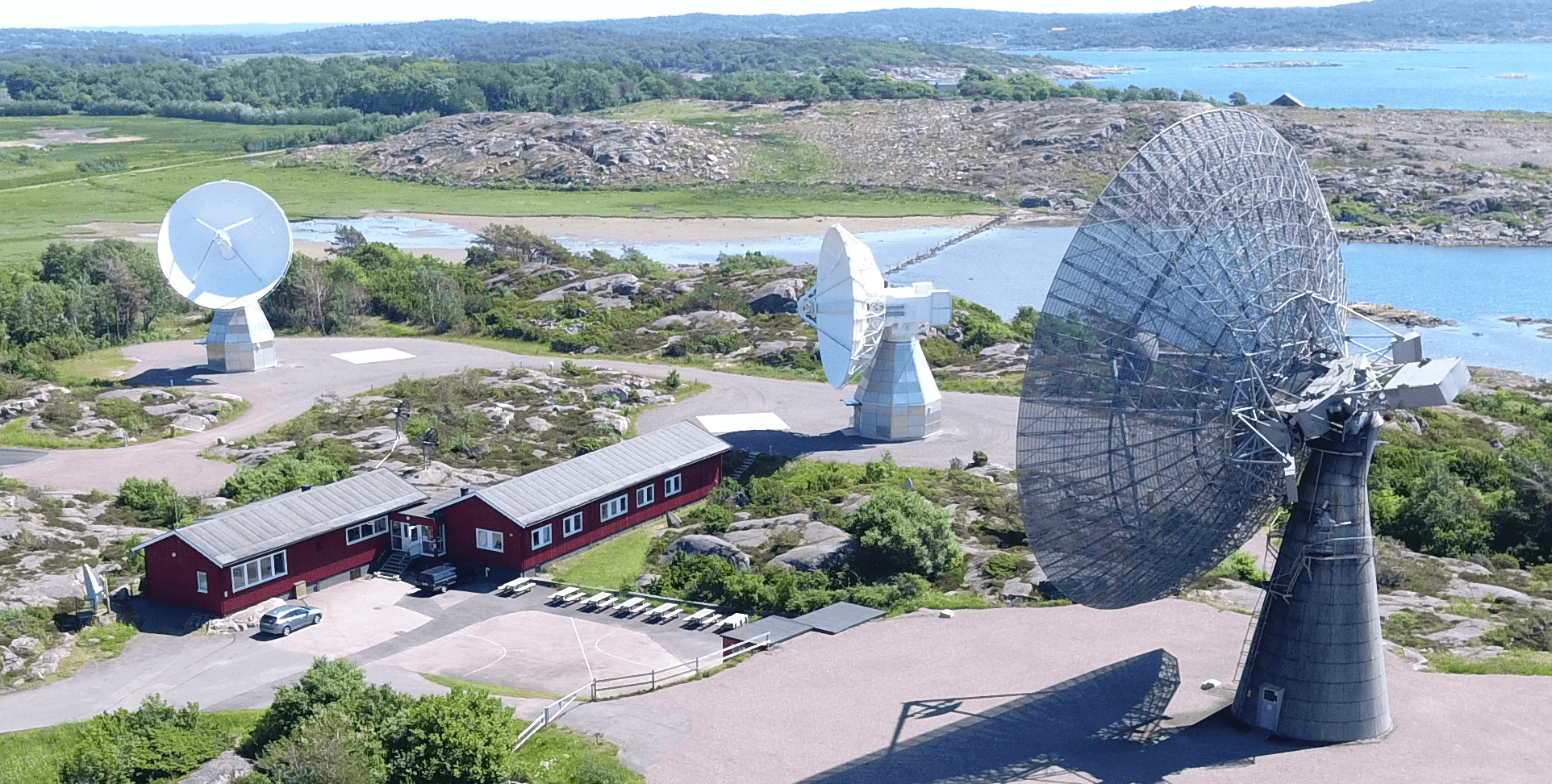
The 10th International VLBI Technology Workshop (IVTW) will take place October 21-25, 2025. The meeting will be hosted by Chalmers University of Technology, Onsala Space Observatory, in Gothenburg, Sweden. The scope of the workshop is to encompass all areas of VLBI hardware and software development and techniques on station updates, frontends, backends, recorders, correlation, image processing, potential […]
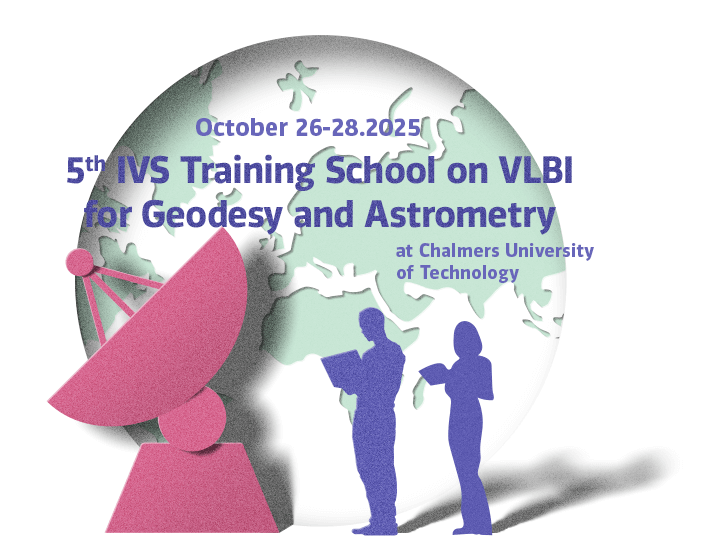
The aim of this training school is to prepare for the next generation of VLBI, both in terms of technical development and knowledge transfer between generations of researchers. The new VLBI Global Observing System (VGOS) is being installed worldwide and continues to develop. VGOS promises significant improvement in the accuracy of VLBI results. Thus, VGOS […]
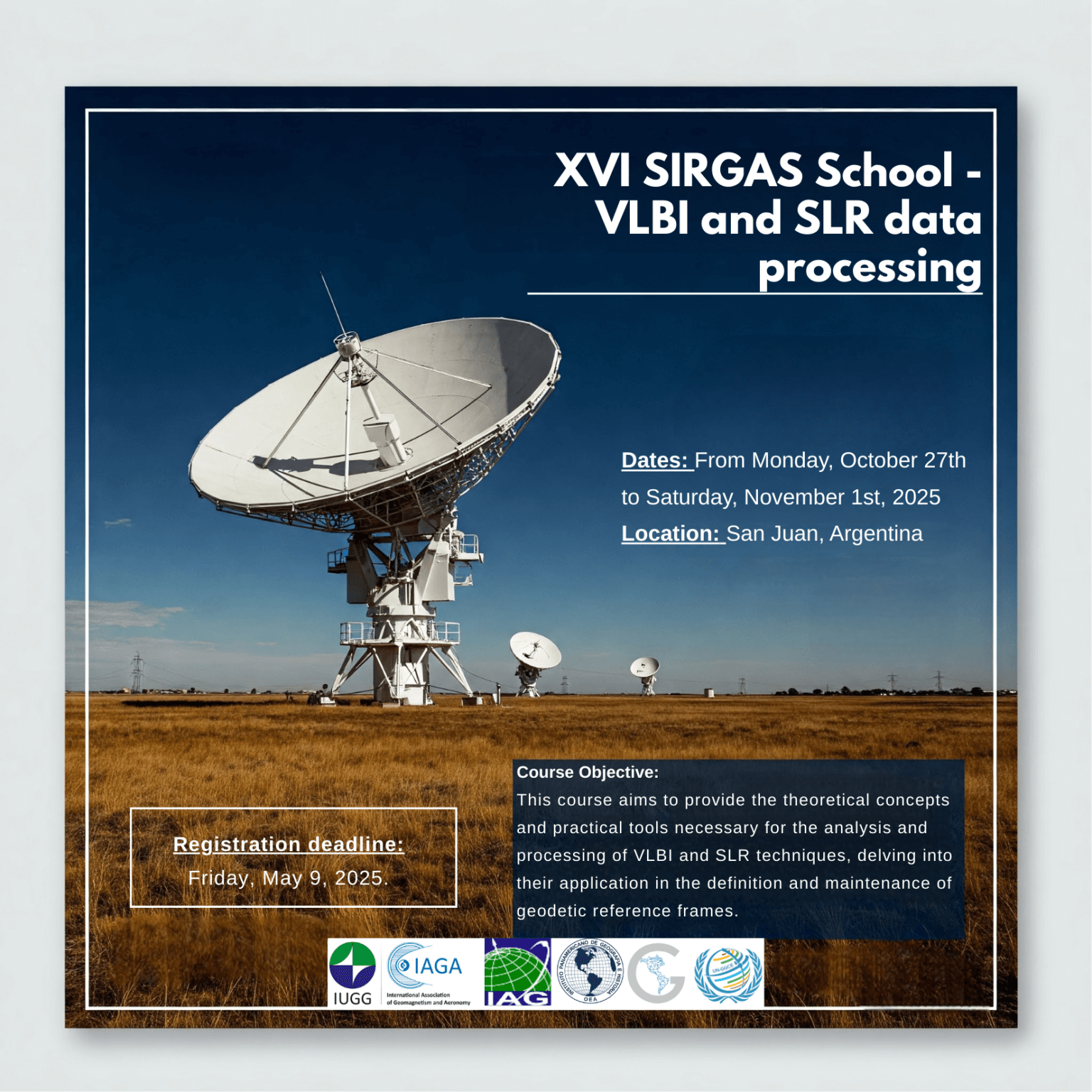
The XVI SIRGAS School will be held in the beautiful city of San Juan, Argentina, with the aim of training professionals in the field of geodesy through the processing of VLBI (Very Long Baseline Interferometry) and SLR (Satellite Laser Ranging) data, key techniques for the definition of global reference frames. The purpose of this course is to provide […]
The IDS is organizing a new edition of the “DORIS Days" designed to offer both a foundational and hands-on experience with DORIS and the IDS community, tailored especially to early-career researchers and students. Monday, 3 November (second half of UTC day) Introductory and advanced presentations on the DORIS system, IDS, precision applications, and associated tools […]
Dates: November 6 (full day) & 7 (morning), 2025 Local host: Maria Tsakiri (NTUA) Meeting location: National Technical University of Athens, Greece – Patision Campus 28th Oktovriou (Patision) Avenue No 42, 10682 Athens Hybrid meeting Other related event (invitation-only): Governing Board hybrid meeting, Friday November 7 (TBD) More information: https://ids-doris.org/ids/meetings/ids-meetings.html
"Talks on GIA" seminar - Constraining GIA where the mantle is heterogeneous AND Community Priorities for GNSS Measurements We will have two presentations. Erica Lucas (University of California, Santa Cruz, USA) will present "Constraining Glacial Isostatic Adjustment where the mantle is heterogeneous". Terry Wilson (Ohio State University, Columbus, USA) will present "Community Priorities for GNSS […]
Helio Guerra Neto and Jeff Freymueller from Michigan State University, East Lansing, USA, will present "GIA in the Great Lakes Basin: A Geodetic Perspective on Vertical Motion and Hydrological Loading" Vertical crustal motion in the Great Lakes Basin, North America, results from a combination of ongoing Glacial Isostatic Adjustment (GIA) and environmental and hydrological loadings. […]
The AGU Annual Meeting 2025 brings together geoscientists from all over the world to one meeting covering all disciplines of the Earth, planetary, and space sciences. GGOS is planning to have it’s own session. More information will follow…
Event Category: agu
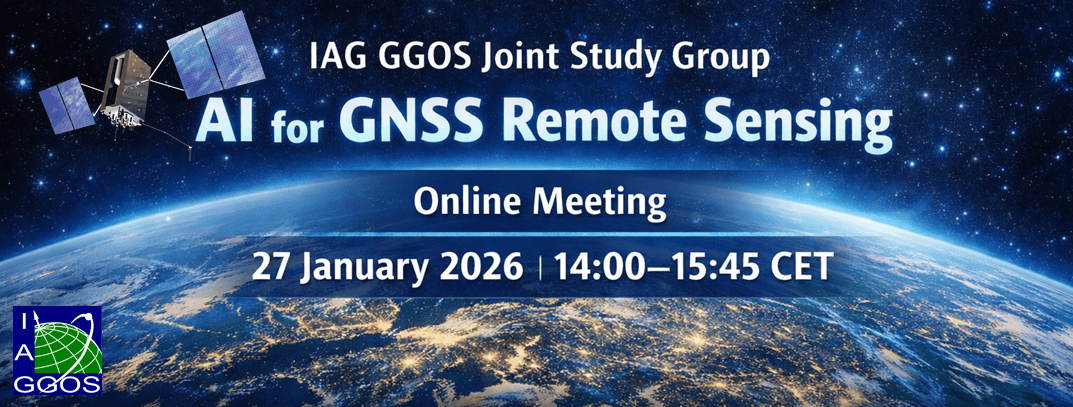
This online meeting of the IAG GGOS Joint Study Group on AI for GNSS Remote Sensing (open to non-members) brings together researchers and practitioners to discuss recent advances in artificial intelligence and machine learning applied to GNSS-based Earth observation. The program covers AI-driven approaches for atmospheric and ionospheric sensing, tropospheric modeling, uncertainty quantification, and GNSS reflectometry. […]
Mirjam Bilker-Koivula (Finnish Geospatial Research Institute) and Holger Steffen (Lantmäteriet, Sweden), will present "The Whys and Hows of Dealing with Glacial Isostatic Adjustment in a Mapping Authority" Glacial isostatic adjustment (GIA) affects among others vertical datums, sea-level measurements, GNSS heights, and crustal motion models. Hence, it creates technical and practical challenges for mapping agencies. They […]

An event to mark the International Day of Women and Girls in Science on 11 February 2026 the International Science Council (ISC), InterAcademy Partnership (IAP) and Standing Committee for Gender Equality in Science (SCGES) will host a webinar highlighting the role of women in scientific organizations, focusing on leadership, representation and strategies to advance gender […]

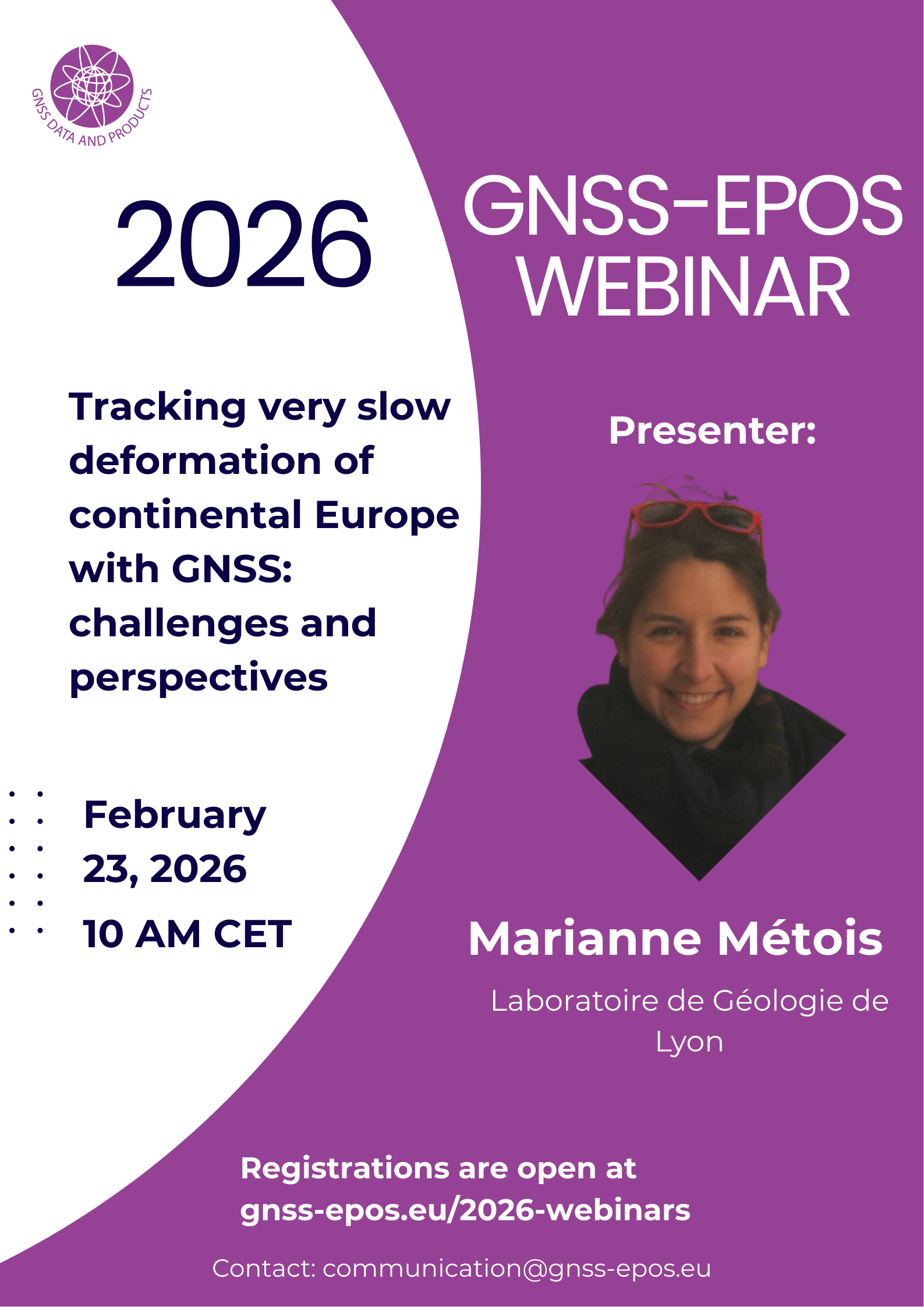
We are pleased to invite the GNSS-EPOS community to the inaugural session of our 2026 webinar series, featuring guest speaker Dr. Marianne Métois from the Laboratoire de Géologie de Lyon. Presentation Title: "Tracking very slow deformation of continental Europe with GNSS: challenges and perspectives" Event Details: Date: Monday, 23rd February 2026 Time: 10:00 – 11:00 […]

The Technical University of Munich (TUM) is proud to lead global geodetic research as it currently holds the presidents of Commission 1 “Reference Frames” of the International Association of Geodesy (IAG) and the IAG Global Geodetic Observing System (GGOS). In this prominent role, TUM is excited to host two landmark events in 2026: The IAG […]
Under the umbrella of the International Association of Geodesy (IAG), the IAG’s Global Geodetic Observing System (GGOS) and the International Earth Rotation and Reference Systems Service (IERS) periodically hold unified analysis workshops to discuss current issues in geodetic data analysis and the determination of geodetic reference frames, as well as the provision of reliable […]
Paul Tregoning (Australian National University, Canberra, Australia), will present "A tool to assess the accuracy of glacial isostatic adjustment predictions of present-day crustal uplift rates" While there are many global and regional glacial isostatic adjustment (GIA) models available that can be used to compute expected present-day uplift rates of the surface of the Earth, they […]

GeodCon-26 is a premier national symposium bringing together researchers, professionals, policymakers, and industry leaders to discuss recent advancements in geodetic science and its applications. The conference highlights innovations in Earth observation, reference frames, satellite and ground-based measurements, and the integration of emerging technologies such as AI and cloud computing. Through expert tutorials, technical sessions, and collaborative workshops, GeodCon-26 aims to strengthen geodetic capacity and position India at the forefront of global geospatial science.
Tracking Mountain Aquifer Storage and Discharge Using Space Geodesy: Using high-precision GNSS surface displacements, this study quantifies groundwater storage changes in the Sierra Nevada and Cascade ranges. Results show long-term depletion due to droughts but rapid recharge during extreme precipitation events, which can restore and sustain groundwater storage and influence regional water supply and ecosystem resilience.
EPOS Days is the flagship annual conference of the European Plate Observing System (EPOS), bringing together researchers, data providers, and infrastructure developers from across Europe to advance collaboration in solid Earth science. The event serves as a key forum to discuss the evolution of EPOS as a pan-European research infrastructure and to showcase progress in […]
This Technical Workshop aims to bring together operators, users, and manufacturers of superconducting gravimeters to share, collect and transmit knowledge and experiences, providing a forum to discussing instrumental challenges, processing strategies, new developments, and ongoing scientific applications.
We announce a seminar by Wenjin Chen on algorithms and software for efficient gravity forward modeling of hydrological mass changes. The talk reviews methods in Cartesian and spherical systems, comparing accuracy and efficiency of modeling approaches, and highlights trade-offs between realism and computation, with applications to hydrological mass change analysis.
The PhHS-IHRF2026 symposium will be held in Riyadh, Saudi Arabia from 7-9 April 2026. It focuses on observing and interpreting the Earth's gravity field and geoid, emphasizing height systems and the International Height Reference Frame (IHRF). This Joint IAG Symposium is co-organized by IAG Sub-Commissions 2.2 and 2.4, IGFS, and GGOS.

The 14th General Meeting of the International VLBI Service for Geodesy and Astrometry (IVS) is the biennial general assembly of the geodetic/astrometric VLBI community. All IVS Associate Members and individuals who have interests in the application of VLBI in the fields of geodesy, Earth sciences, astrometry, and other astronomical applications in geodesy are invited to […]
This conference explores Earth’s internal and external processes and their interaction with the space environment. It covers crust and mantle dynamics, tectonics, seismicity, and variations in gravitational and magnetic fields, as well as satellite and geodetic methods, fostering interdisciplinary collaboration across geophysics, geology, geodesy, and space sciences.
We are pleased to announce the next edition of the European Navigation Conference series, ENC 2026, will take place in Vienna, April 28-30, 2026. The ENC-series is now widely acknowledged as the most important annual event in Europe bringing together the full positioning, navigation and timing community. What you can expect at ENC2026: Technical programme across […]
Abstract Submission Deadline: Thursday, 15 January 2026, 13:00 CET EGU 2026 website: https://www.egu26.eu
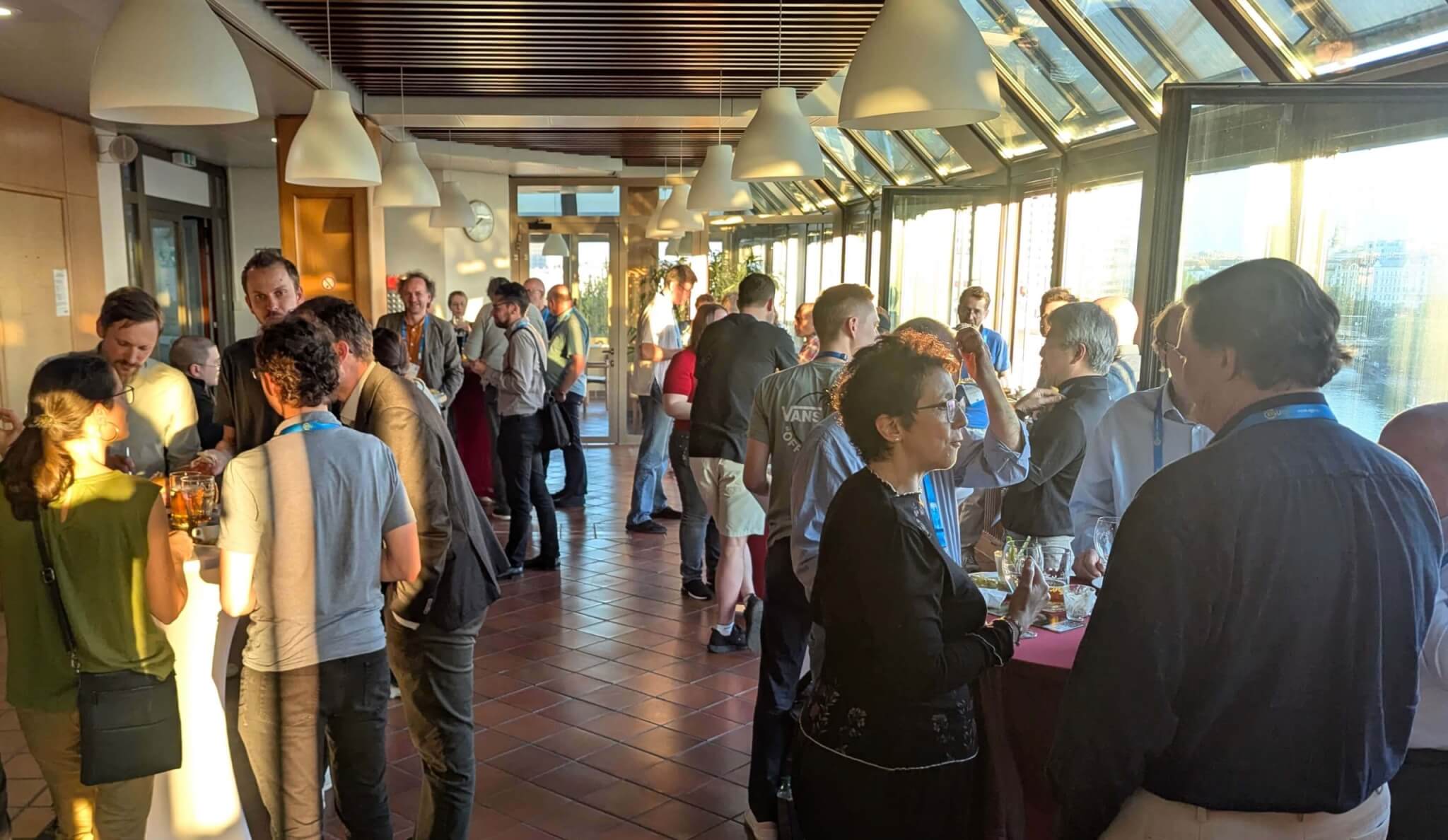
The Geodesy Reception 2026 will take place on Tuesday, May 5 (19:00-21:45) during the EGU General Assembly 2026. It will be hosted again at the main building of BEV (Federal Office of Metrology and Surveying). See recap of last years Geodesy Reception 2025. Registration ⚠️ Registration is required, as capacity is limited to 120 participants. […]
Allie Coonin (Brown University, Providence, USA) and Tamara Pico (University of California, Santa Cruz, USA) will present: "Transient Earth Rheology Temporarily Slows West Antarctic Ice Retreat in Future Climate Projections" Projections of sea-level change and Antarctic Ice Sheet (AIS) stability under anthropogenic climate change hinge upon accurately describing physical feedbacks that link ice dynamics (marine […]
We are pleased to announce our third seminar hosted by the IAG Working Group 3.1. Christian Massari will present on hydrologic variability in Europe and beyond using satellites and in situ sensors. The seminar will be held on May 13; further details and the link will be provided later.
JpGU-AGU Joint Meeting 2026 is the first joint meeting with AGU since 2020. As in recent years, we plan to hold the meeting in the hybrid format, mixing on-site (at Makuhari Messe in Chiba City) and online. https://www.jpgu.org/meeting_e2026/news/news20250917_01.html
FIG and the local organisers are looking forward to welcoming you to Cape Town. Reserve the dates: 24-29 May 2026 The four congress dates are 25-28 May 2026 and the two General Assembly days 24 and 29 May 2026 and with various pre events primarily on 24 May. Event Category: fig
Chile – where the crust trembles daily and even a traditional cocktail is nicknamed the “Earthquake” – will become the epicenter of an unprecedented scientific gathering in South America. On behalf of the Local Organizing Committee, we are pleased to formally announce the International GNSS Service (IGS) Workshop 2026, which will take place from the […]
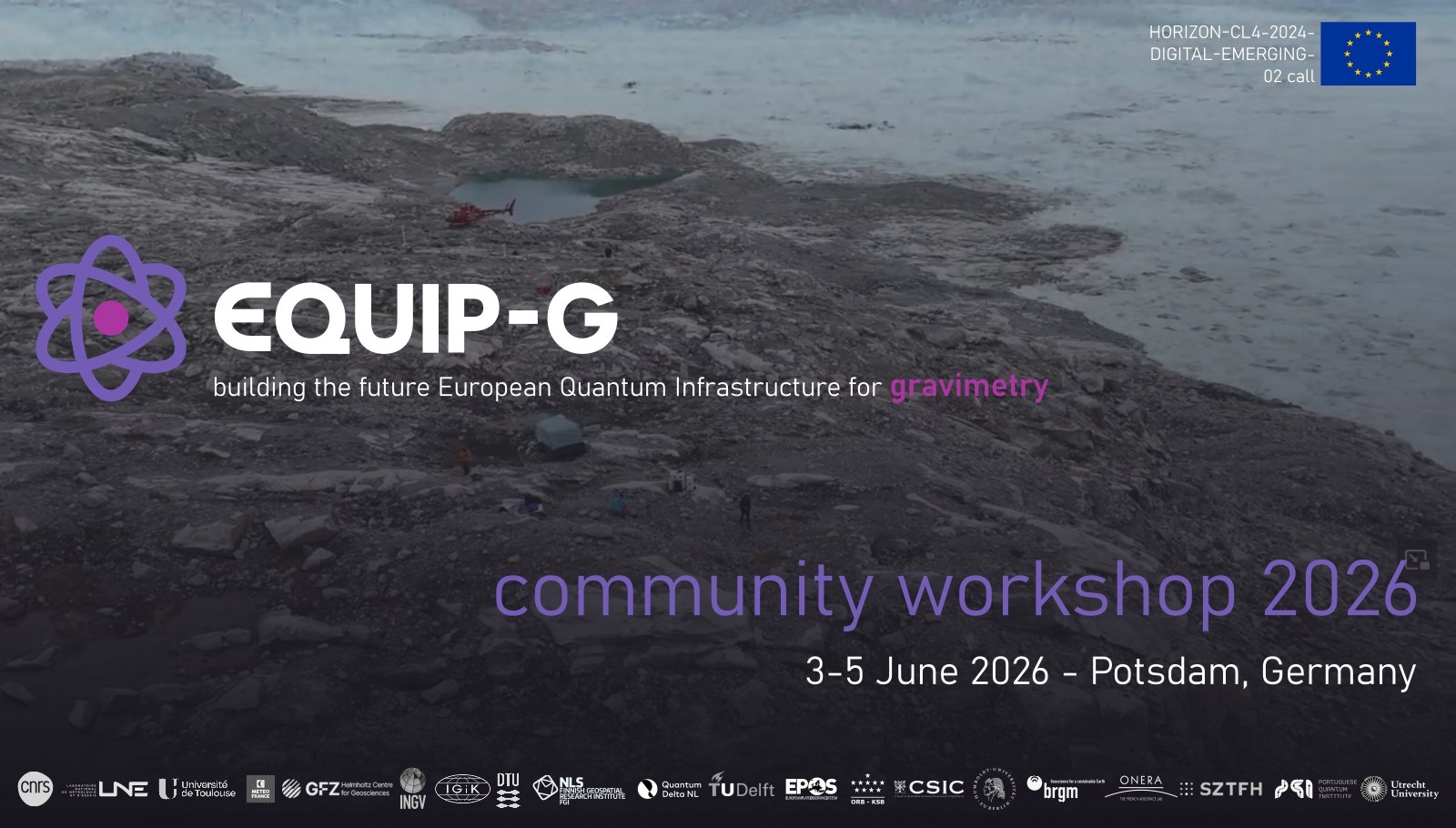
This in-person workshop is organized with the main objective to obtain feedback by the entire European community. Opinions, comments and thoughts on EQUIP-G project activities will contribute to shaping key aspects on the future of (terrestrial) gravimetry. This is centered around the main long-term goal to establish a permanent perennial entity of a shared park […]
The Spanish-Portuguese Assembly of Geodesy and Geophysics, which held its first meeting in Almería in 1998, began meeting every two years, alternating between the two countries responsible, Spain and Portugal. Over the course of its sessions, it has established itself as a research forum in the fields of Geodesy, Seismology, Meteorology, Geomagnetism, Hydrology, Oceanography, Volcanology, […]

EUREF is the International Association of Geodesy (IAG) Reference Frame Sub-Commission for Europe. The EUREF Symposium has been organized since 1990 and the scope of the symposium covers EUREF activities, such as the realisation, maintenance, and usage of ETRS89, EVRS and the EUREF Permanent Network. More Info - Event Website: https://euref2026.sciencesconf.org/

The 2026 IDS Workshop will be held in Wiesbaden, Germany, from 23–25 June 2026 alongside the 2026 OSTST meeting. Organized by Eumetsat, Copernicus and CNES, it will showcase recent developments and scientific results based on DORIS data and foster discussion and coordination of future IDS community activities.