
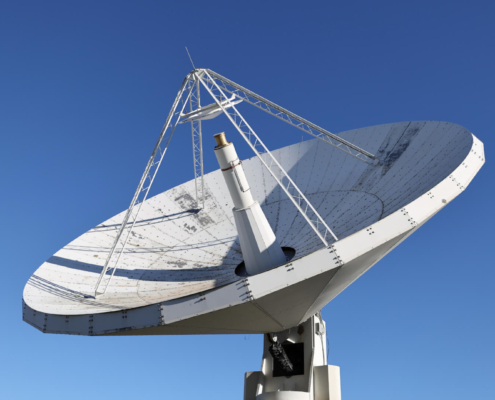
 https://geodesy.science/wp-content/uploads/Hobart12_Copyright-DavidSchunckUTAS_2026-02-24_78c49e.JPG
1080
1920
admin
https://geodesy.science/wp-content/uploads/IAG-logo-web.png
admin2026-02-24 12:34:222026-02-24 14:08:28New Website: Discover the Importance of VLBI for Geodesy and Society
https://geodesy.science/wp-content/uploads/Hobart12_Copyright-DavidSchunckUTAS_2026-02-24_78c49e.JPG
1080
1920
admin
https://geodesy.science/wp-content/uploads/IAG-logo-web.png
admin2026-02-24 12:34:222026-02-24 14:08:28New Website: Discover the Importance of VLBI for Geodesy and Society

 https://geodesy.science/wp-content/uploads/tiger_logo-vs2_w-text-horizontal_Copyright-RebekkaSteffen_2026-02-03_cf53a7-scaled.png
997
2560
admin
https://geodesy.science/wp-content/uploads/IAG-logo-web.png
admin2026-02-04 07:37:382026-02-04 07:37:38TIGER Symposium in Geodesy 2026 – Abstract submission and registration open
https://geodesy.science/wp-content/uploads/tiger_logo-vs2_w-text-horizontal_Copyright-RebekkaSteffen_2026-02-03_cf53a7-scaled.png
997
2560
admin
https://geodesy.science/wp-content/uploads/IAG-logo-web.png
admin2026-02-04 07:37:382026-02-04 07:37:38TIGER Symposium in Geodesy 2026 – Abstract submission and registration open https://geodesy.science/wp-content/uploads/REFAG_UAW_HP1-scaled.png
778
2048
admin
https://geodesy.science/wp-content/uploads/IAG-logo-web.png
admin2025-12-12 07:18:202025-12-12 07:40:36REFAG2026: Early bird registration deadline – 15 December 2025
https://geodesy.science/wp-content/uploads/REFAG_UAW_HP1-scaled.png
778
2048
admin
https://geodesy.science/wp-content/uploads/IAG-logo-web.png
admin2025-12-12 07:18:202025-12-12 07:40:36REFAG2026: Early bird registration deadline – 15 December 2025
 https://geodesy.science/wp-content/uploads/ecs_AdobeStock_3647304651.jpeg
653
2208
admin
https://geodesy.science/wp-content/uploads/IAG-logo-web.png
admin2025-11-24 06:12:532025-11-24 07:27:33Open Call for Early Career Researchers – EPOS-GNSS TCS Participation in EPOS Days 2026
https://geodesy.science/wp-content/uploads/ecs_AdobeStock_3647304651.jpeg
653
2208
admin
https://geodesy.science/wp-content/uploads/IAG-logo-web.png
admin2025-11-24 06:12:532025-11-24 07:27:33Open Call for Early Career Researchers – EPOS-GNSS TCS Participation in EPOS Days 2026 https://geodesy.science/wp-content/uploads/AdobeStock_254781413.jpeg
1120
1680
Martin Sehnal
https://geodesy.science/wp-content/uploads/IAG-logo-web.png
Martin Sehnal2025-11-20 11:02:342025-11-20 11:12:09New IAG Publications | Geodesist’s Handbook 2024 & IAG Travaux 2023–2025
https://geodesy.science/wp-content/uploads/AdobeStock_254781413.jpeg
1120
1680
Martin Sehnal
https://geodesy.science/wp-content/uploads/IAG-logo-web.png
Martin Sehnal2025-11-20 11:02:342025-11-20 11:12:09New IAG Publications | Geodesist’s Handbook 2024 & IAG Travaux 2023–2025 https://geodesy.science/wp-content/uploads/EGU26_GGOS-Session-1.png
512
768
admin
https://geodesy.science/wp-content/uploads/IAG-logo-web.png
admin2025-11-07 11:28:272025-11-05 12:39:01Call for Abstracts – EGU26 Session G2.2 “New Technologies for GGOS”
https://geodesy.science/wp-content/uploads/EGU26_GGOS-Session-1.png
512
768
admin
https://geodesy.science/wp-content/uploads/IAG-logo-web.png
admin2025-11-07 11:28:272025-11-05 12:39:01Call for Abstracts – EGU26 Session G2.2 “New Technologies for GGOS”