GGOS Days 2026: Meeting Summary
The GGOS Days 2026 took place from 5 to 7 October 2026 at Lantmäteriet in Gävle, Sweden, under the theme “GGOS: Integrating Geodetic Infrastructure, Science, and Services for Earth Monitoring”. Hosted by Lantmäteriet, the meeting brought together the international geodetic community to review progress in implementing the GGOS Strategic Plan, exchange information on recent scientific and technical developments, discuss challenges facing global geodetic infrastructure and services, and identify priorities for future activities. The programme covered a broad range of topics, including a Unified Analysis Workshop (UAW) following-up session, global geodetic infrastructure, reference frames, the Essential Geodetic Variables (EGVs), IAG Services, data management, the GGOS Focus Areas, GGOS Affiliates, stakeholder engagement and public outreach. The meeting was attended by 231 participants from 55 countries, including 55 on-site and 176 online participants, of whom 30 were Early Career Scientists (ECS).
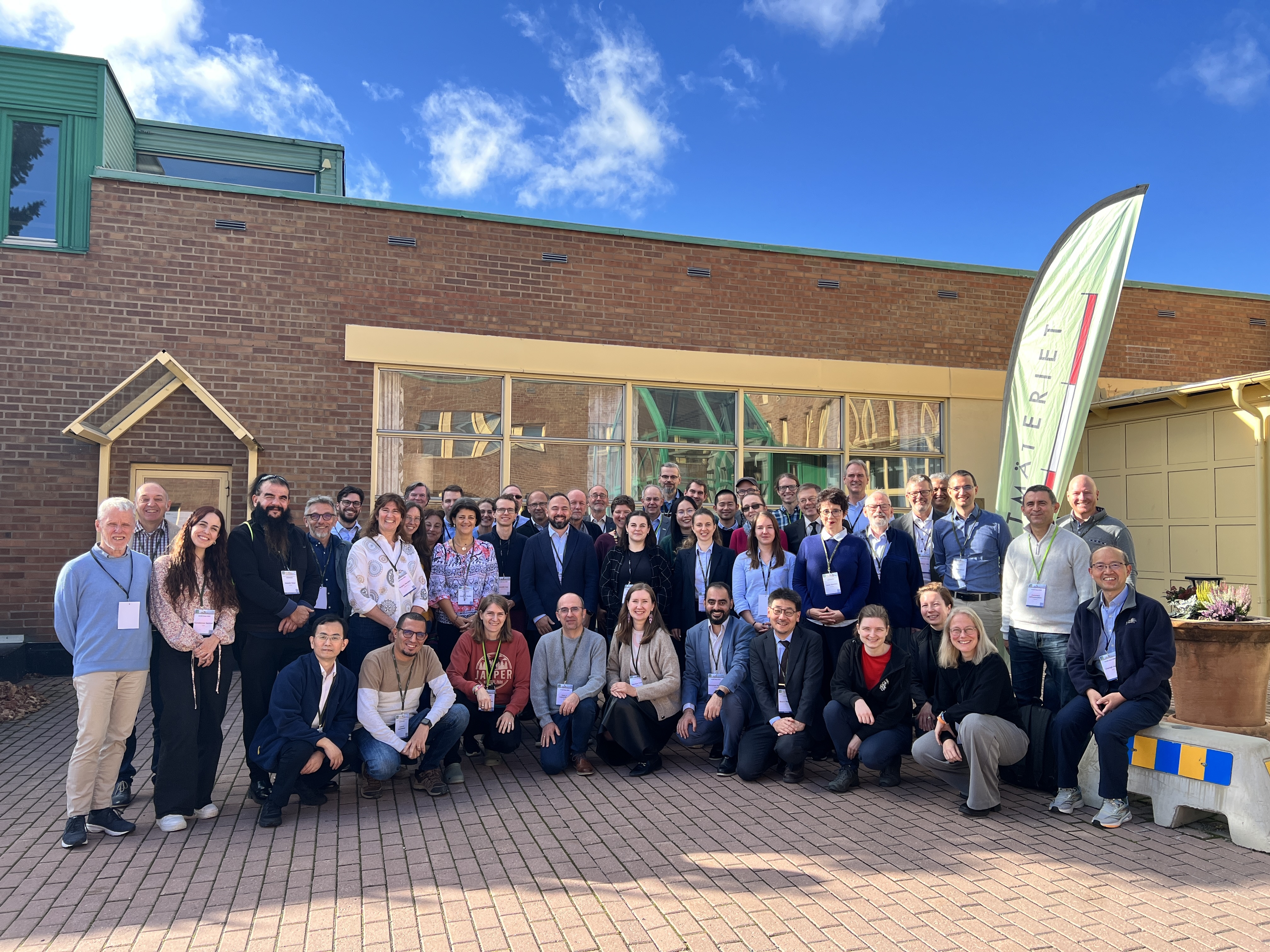
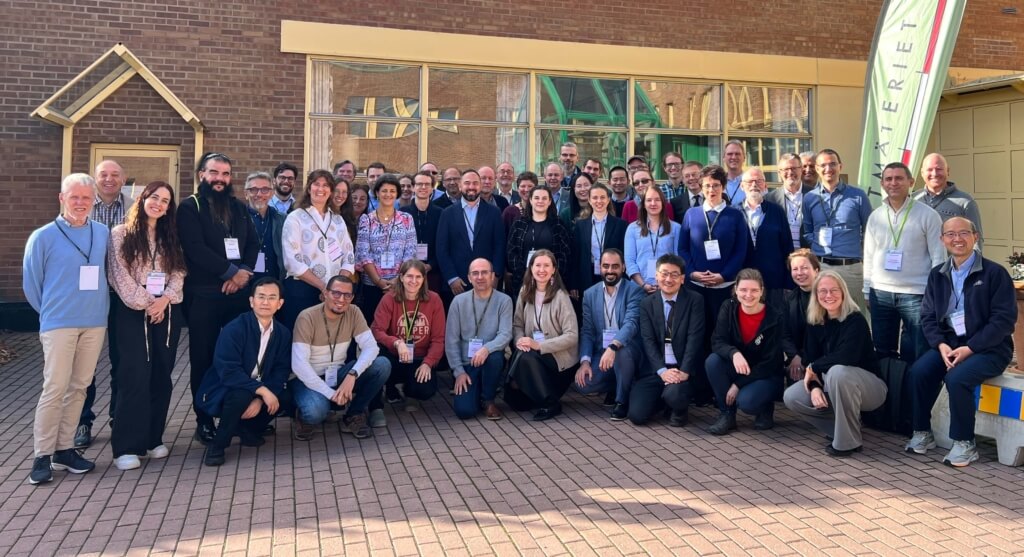
GGOS Days 2026 on-site participants, Gävle, Sweden, 5 – 7 October 2026
The opening sessions highlighted Sweden’s strong geodetic infrastructure, its national and Nordic collaboration, and its contributions to strengthening geodetic capabilities in Africa. Presentations addressed the development of national geodetic infrastructure, the Onsala Space Observatory, the Nordic Geodetic Commission, and initiatives supporting open and FAIR Earth-science data. Subsequent discussions focused on the standardisation, integration and optimisation of geodetic products, including progress towards lunar reference systems, the implementation of the International Terrestrial Gravity Reference Frame (ITGRF), the updated reference level ellipsoid and the implementation of EGVs. The joint GGOS/IERS session, following up on the United Analysis Workshop 2026 (UAW 2026), included updates to the IERS Conventions, the operational maintenance of the International Terrestrial Reference Frame (ITRF), the preparation for the GENESIS mission, geophysical models and atmospheric parameter correlations. Particular attention was given to the resilience of IAG Services and the need to strengthen the global geodetic supply chain in the frame of the UN Global Geodetic Centre of Excellence (UN-GGCE) activities.
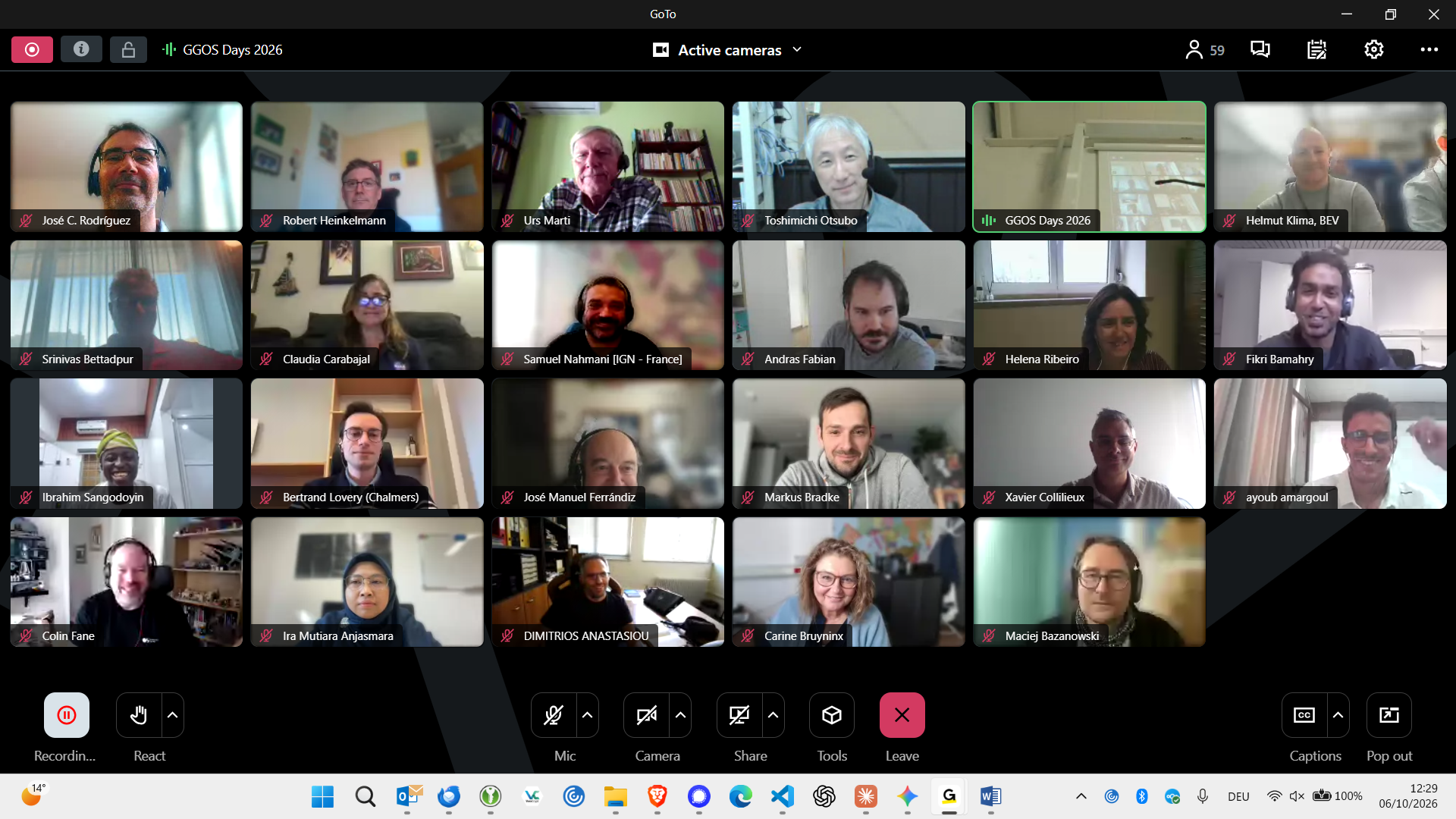
(some) GGOS Days 2026 online participants, Gävle, Sweden, 5 – 7 October 2026
The second day focused on developments across the GGOS Focus Areas, global observing infrastructure and IAG Services. Updates were presented on Artificial Intelligence for Geodesy, Geodetic Space Weather Research and Geohazards Monitoring, highlighting ongoing research and opportunities to strengthen their contributions to GGOS. Discussions on global geodetic infrastructure addressed the activities of the GGOS Bureau of Networks and Observations, the work of the GGOS Committee on Performance Simulations and Architectural Trade-Offs (PLATO), the protection of VLBI radio frequencies, the benefits of eccentric satellite orbits, emerging quantum technologies and the importance of comprehensive station metadata. Representatives of the IAG Services reported on their latest developments, including improvements in observing and analysis infrastructure, operational components, products and data provision. The session on sustainable IAG data centres addressed the launch of the new GGOS Portal, the implementation of Digital Object Identifiers (DOIs) for geodetic data and the need for a more resilient, interoperable and sustainable architecture for geodetic data centres.
The final day highlighted regional cooperation, stakeholder engagement and outreach. Particular attention was given to the development of GGOS regional initiatives, with presentations on GGOS Japan, GGOS IberAtlantic and the newly established GGOS Africa affiliate. These initiatives demonstrate the importance of strengthening regional participation and collaboration, while ensuring that GGOS benefits from the knowledge, expertise, observations and contributions of geodesists worldwide. The stakeholder engagement and outreach sessions explored the contribution of geodetic data to the Sustainable Development Goals, the importance of communicating geodesy’s societal benefits, and opportunities to strengthen support for early-career scientists. New outreach materials, including a video on gravity, flyers and brochures, were also presented. The involvement of Early Career Scientists in developing and translating outreach materials was particularly welcomed.
Looking Ahead: Priorities and Follow-Up Activities
Looking ahead, several priorities and potential follow-up activities were identified during the closing session:
- International governance of geodesy: Strengthen cooperation with the UN-GGCE, particularly in the consultation on options for international governance of geodesy.
- Characterisation of geodetic products: Develop a consistent description of geodetic products based on spatial coverage, spatial and temporal resolution, latency, accuracy and uncertainty, stability, and the responsible IAG Service or data source to continue the implementation of the EGVs.
- Global geodetic infrastructure: Update the definition of GGOS Core Sites to include the International Height Reference Frame (IHRF) and ITGRF, and further develop the charter of PLATO. The protection of VLBI radio frequencies also remains an important issue.
- Sustainable data centres: Explore the development of a white paper or other coordinated activity addressing a modern architecture for geodetic data centres, building on existing expertise and experience.
- Integration of geodesy and InSAR: Consider establishing a dedicated working group or activity to describe the benefits and practical opportunities of combining geodetic observations and InSAR products.
- Outreach and communication: Continue expanding GGOS outreach materials, including the preparation of a new video explaining physical heights.
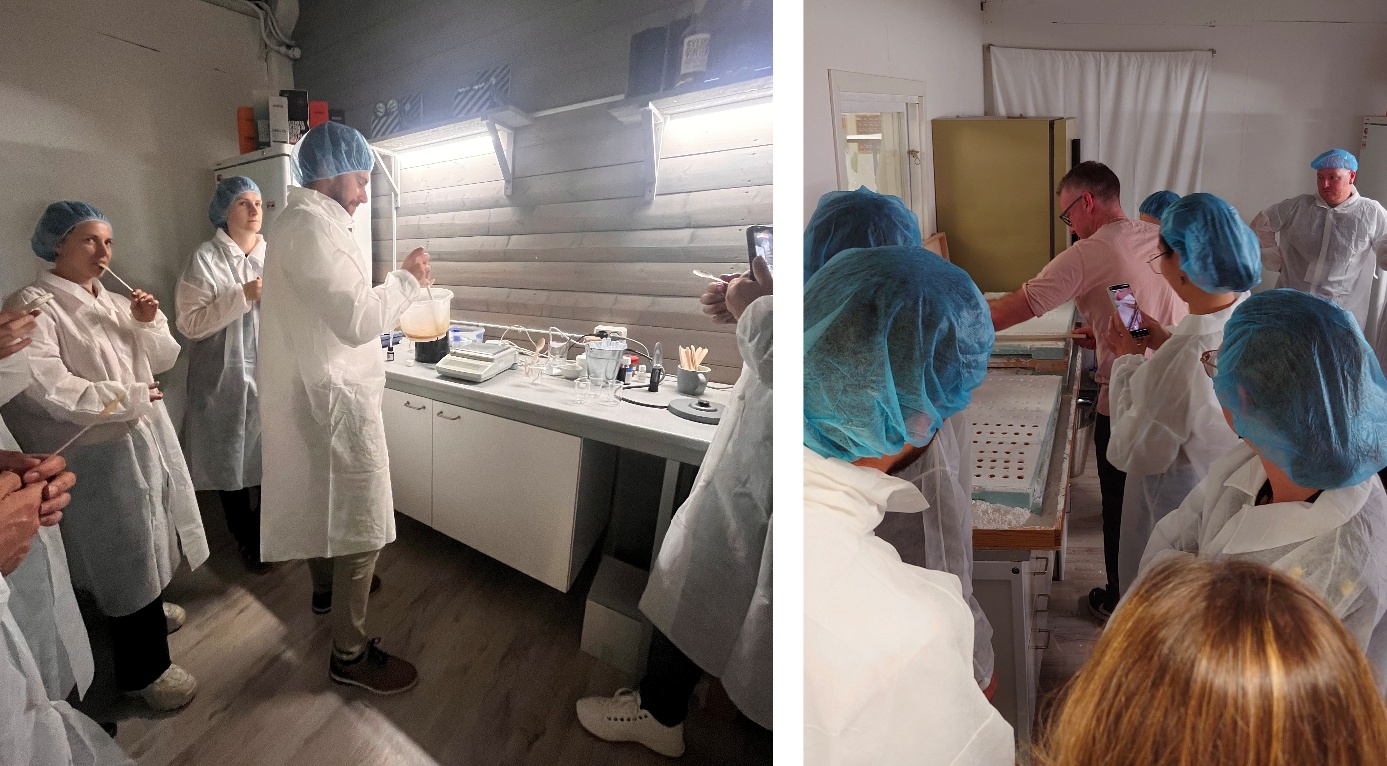
Early Career Scientist (ECS) Event at Pastillfabriken, Gävle
Overall, the GGOS Days 2026 provided an important opportunity to take stock of progress across the GGOS components, strengthen collaboration within the other IAG components and identify activities to advance the integration of geodetic infrastructure, science and services. The discussions reaffirmed that the long-term sustainability and resilience of the global geodetic observing system depend on coordinated international efforts, strong IAG Services, reliable data infrastructure, and effective engagement with regional partners, external stakeholders and the next generation of geodesists.
We thank all the speakers and participants for their interest in the GGOS activities, for taking part in the meeting, and for their active engagement and stimulating contributions to the discussions. We would like to express our sincere gratitude to Lantmäteriet for hosting the meeting and providing such a welcoming setting. Special thanks go to Martin Lidberg, Rebekka Steffen and Holger Steffen for their valuable contributions and support in making the meeting a success.
Event Links & Materials:
- Meeting Programme: geodesy.science/events/ggos-days-2026/
- Extended Report: Zenodo (DOI: 10.5281/zenodo.22703697)
- Presentation Slides: Zenodo GGOS Days 2026 Community
- Video Recordings: YouTube GGOS Days 2026 Playlist
Authors: Laura Sánchez (President of GGOS), Martin Sehnal (Director of the GGOS Coordinating Office)