
GGOS Topical Meeting on Geohazards
The GGOS Topical Meeting on Geohazards will take place on 2 October 2026 in Gävle, Sweden. The meeting will consist of three 1.5-hour sessions, each beginning with key solicited presentations, followed by a discussion. Both on-site and remote participation will be possible.
The GGOS Topical Meeting on Geohazards is scheduled to take place the day after the IAG Commission 3 Symposium on “Tracking and Investigating Geodynamics and Earth Rotation” (TIGER Symposium, https://geodesy.science/com3/meetings/tiger-symposium-2026/). As this Symposium includes sessions on Cryospheric Deformation, Volcanogeodesy and Seismogeodesy, experts from the International Association of Cryospheric Sciences (IACS), the International Association of Volcanology and Chemistry of the Earth’s Interior (IAVCEI), and the International Association of Seismology and Physics of the Earth’s Interior (IASPEI) will have the opportunity to participate in the GGOS Topical Meeting.
In the week after the GGOS Topical Meeting, the GGOS Days 2026 will take place at the same venue, see https://geodesy.science/events/ggos-days-2026/. Those attending the GGOS Topical meeting are also welcome to participate in GGOS Days 2026.

Through the Global Geodetic Observing System (GGOS), the International Association of Geodesy (IAG) provides a common framework to encourage, coordinate and facilitate Earth-monitoring efforts based on geodesy. This framework aims to integrate observations and geodetic outputs from different national and international organisations, while also raising awareness of geodesy and its products. A key strategic objective of GGOS is to facilitate the incubation of new, integrated research topics supported by geodesy that address emerging scientific and societal challenges. To this end, GGOS promotes the establishment of GGOS Focus Areas. These address broader, cross-disciplinary issues, developing new methods, designing integrated data analysis, and identifying potential new geodetic products. Current GGOS Focus Areas include
- Geohazards Monitoring,
- Geodetic Space Weather Research (GSWR) and
- Artificial Intelligence for Geodesy (AI4G).
The Focus Area on Geohazards Monitoring currently focuses on GNSS-enhanced Tsunami Early Warning Systems (GeTEWS), particularly in Oceania, which is one of the most seismically active regions. Developments of this Focus Area have been instrumental in raising the profile of geodesy within important international bodies such as the Pacific Geospatial Surveying Council (PGSC), the GeoRisk Commission of the International Union of Geodesy and Geophysics (IUGG), the IUGG Joint Tsunami Commission, the UN Sendai Framework for Disaster Risk Reduction, and the UN International Committee on GNSS. The outcomes of this Focus Area have also contributed to the Global Assessment Reports on Disaster Risk Reduction (GAR), which are regularly published by the UN Office for Disaster Risk Reduction (UNDRR).
Given the success of the Geohazards Monitoring Focus Area with GeTEWS, GGOS is eager to extend its remit by exploring further ongoing and prospective applications of geodetic techniques and methods for monitoring natural hazards. The goal is to evaluate the feasibility of transforming ongoing and future scientific research outcomes into operational services. GGOS is particularly interested in approaching experts in Interferometric Synthetic Aperture Radar (InSAR) techniques, as well as regional infrastructures for geohazard monitoring based on geodetic methods. While most monitoring activities rely on satellites and space-based sensors, this Topical Meeting should emphasise in-situ measurements and existing terrestrial monitoring sites and networks.
Programme
The use of geodetic techniques to monitor natural hazards is well documented in scientific research and public literature. Further improvements are discussed at regular science-driven conferences. The GGOS Topical Meeting focuses on effectively applying research results to early warning programmes. These include the challenges of long-term deployment and operation of observation networks and sensors, data archiving and analysis capabilities, implementation of real-time services and usability of geodetic outputs in emergency response programmes. Key invited speakers will summarise the current challenges in their field of expertise, and discussions in a round-table format will identify areas in which GGOS could contribute towards overcoming these challenges. The meeting will consist of three 1.5-hour sessions, each beginning with key solicited presentations, followed by a discussion. Both on-site and remote participation will be possible.
08:30 – 08:45 | Opening (welcome addresses, logistic, safety)
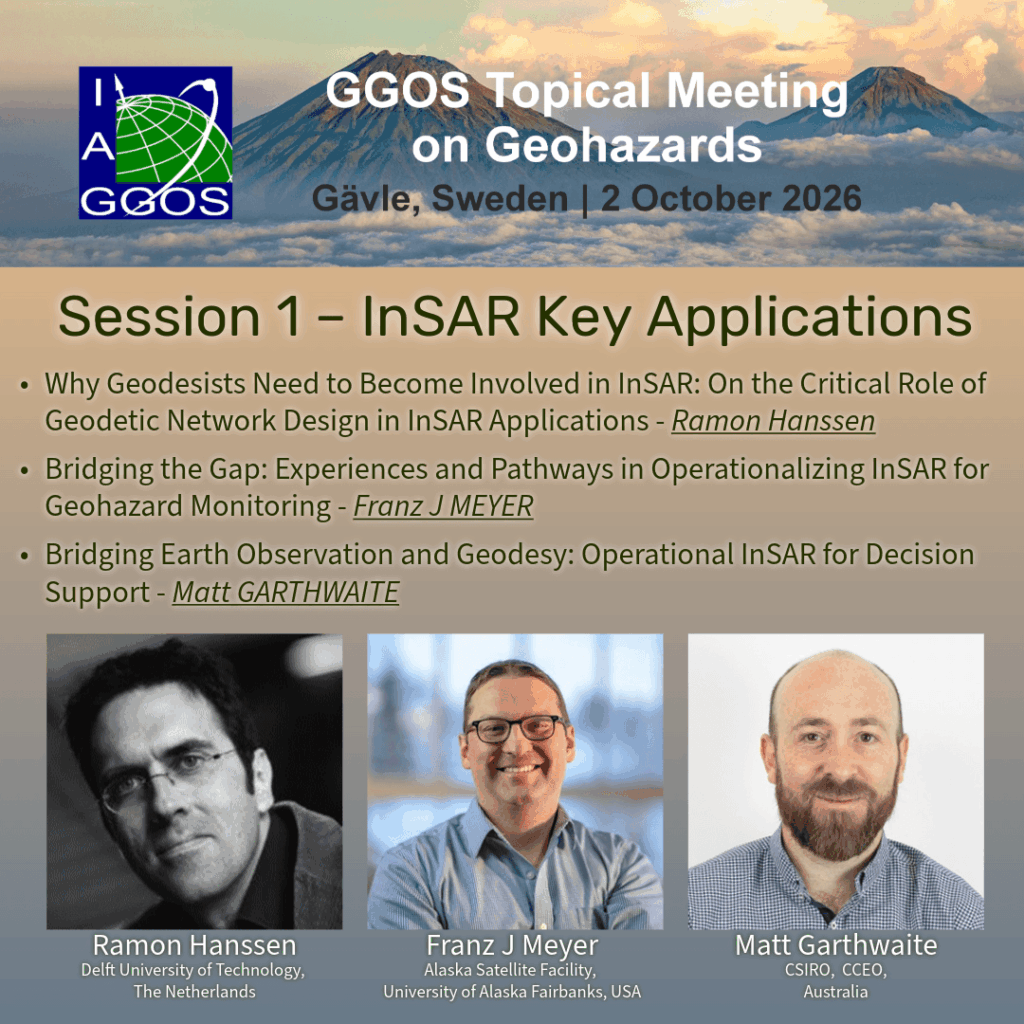
08:45 – 10:15 | Session 1 – InSAR Key Applications
08:45 – 09:00 | Why Geodesists Need to Become Involved in InSAR: On the Critical Role of Geodetic Network Design in InSAR Applications
Ramon HANSSEN, Delft University of Technology, The Netherlands
 Abstract:
In classical geodesy, network design is the process of ensuring that a measurement system is fit for purpose. It determines whether meaningful, reliable, and interpretable information can be derived from the observations. This relates to the location of the observation points, whether the estimated parameters adequately represent the objectives of the survey, which parameters are observable, with what precision and reliability, under which assumptions, and whether competing hypotheses can be distinguished. In contrast, these principles are rarely discussed explicitly in the InSAR community. This is understandable: the satellite observations have already been acquired, seemingly leaving little opportunity to “design” the measurement network other than through future satellite missions with different viewing geometries, wavelengths, or revisit frequencies. This perception, however, overlooks a fundamental aspect of InSAR. Every InSAR application is, in fact, a geodetic network design problem, through the selection of coherent scatterers, reference objects, acquisition geometries, temporal sampling, estimation models, external observations, and prior information. These design choices determine not only the precision of the estimated parameters but, more fundamentally, whether the quantity of interest is observable and whether the resulting estimates are representative of the underlying physical process. The presentation further argues that InSAR does not merely require classical geodetic network design; it extends the concept itself. Traditionally, network design addresses where, what, and how accurately observations should be made to answer a predefined question. InSAR introduces additional design dimensions, including which radar targets become observations, how temporal coherence is exploited, which prior information and physical constraints are incorporated, and how heterogeneous observations are integrated into a single estimation problem. Consequently, network design evolves from the design of an observation network to the design of the complete estimation problem. The central thesis of this presentation is therefore that geodetic network design does exist in InSAR—it is simply not recognized as such. As a consequence, many InSAR studies focus on improving estimation algorithms while paying insufficient attention to whether the measurement system itself is capable of answering the intended question. Failure to recognize these design choices may explain why similar datasets sometimes lead to conflicting interpretations, why the validity of InSAR-derived products is occasionally questioned, and why confidence in operational applications varies considerably between stakeholders. Recognizing InSAR as an implicit geodetic network design problem fundamentally changes the role of the geodesist. Rather than contributing only to estimation algorithms, geodesists become responsible for ensuring that InSAR measurement systems are fit for purpose. This perspective has important implications for technology development, operational implementation, standardization, education, economic competitiveness, and ultimately the societal trust, confidence, and adoption of InSAR. The presentation concludes with a call for greater involvement of the geodetic community in shaping the future of InSAR.
09:00 – 09:15 | Bridging the Gap: Experiences and Pathways in Operationalizing InSAR for Geohazard Monitoring
Franz J MEYER, Alaska Satellite Facility, University of Alaska Fairbanks, USA
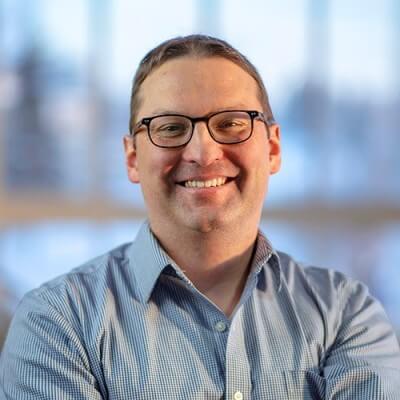
Franz Meyer
Abstract:
The advent of modern SAR sensors such as NISAR and Sentinel-1 with their global observation strategies and free-and-open data policies has ushered in an era of unprecedented data volumes, offering immense potential for global geohazard monitoring. However, transforming these massive data streams into operational decision-support assets for the disaster monitoring community presents significant bottlenecks. Chief among these are (1) the sheer scale of data, often requiring high-performance cloud-based solutions; (2) the complexity of processing workflows that can deter non-expert end-users; (3) the need for community training to ensure the accurate interpretation of derived deformation products; and (4) the technical imperative for robust processing pipelines capable of mitigating pervasive nuisance signals such as atmospheric phase delays and temporal decorrelation. This presentation explores how a suite of interconnected, NASA-funded InSAR initiatives are actively tackling these hurdles to operationalize satellite geodesy and advance the uptake of InSAR by the disaster monitoring community. We highlight scalable cloud-computing architectures developed at the Alaska Satellite Facility (ASF) to enable continental- to global-scale InSAR processing efforts. We discuss a volcano geodesy project funded by the NASA MEaSUREs program and led by Stanford University that creates standardized geodetic observations for all active volcanoes on Earth. We introduce the North America-scale automated displacement products created by the JPL-led OPERA project, which map displacements of various origins and spatio-temporal expressions using InSAR time series data. Finally, we discuss the NASA Disasters “VolcSARvatory” program, which provides customizable InSAR solutions, delivers accessible, analysis-ready products, and embeds them directly into end-user decision-support platforms. By addressing both backend processing challenges and frontend user-integration strategies, these efforts explore different pathways to transition InSAR from a research tool into an operational hazard monitoring resource. We will show examples from these projects, demonstrate their capabilities and limitations, and conclude with a summary of potential next steps.
09:15 – 09:30 | Bridging Earth Observation and Geodesy: Operational InSAR for Decision Support
Matt GARTHWAITE, CSIRO (Commonwealth Scientific and Industrial Research Organisation) Centre for Earth Observation (CCEO), Australia
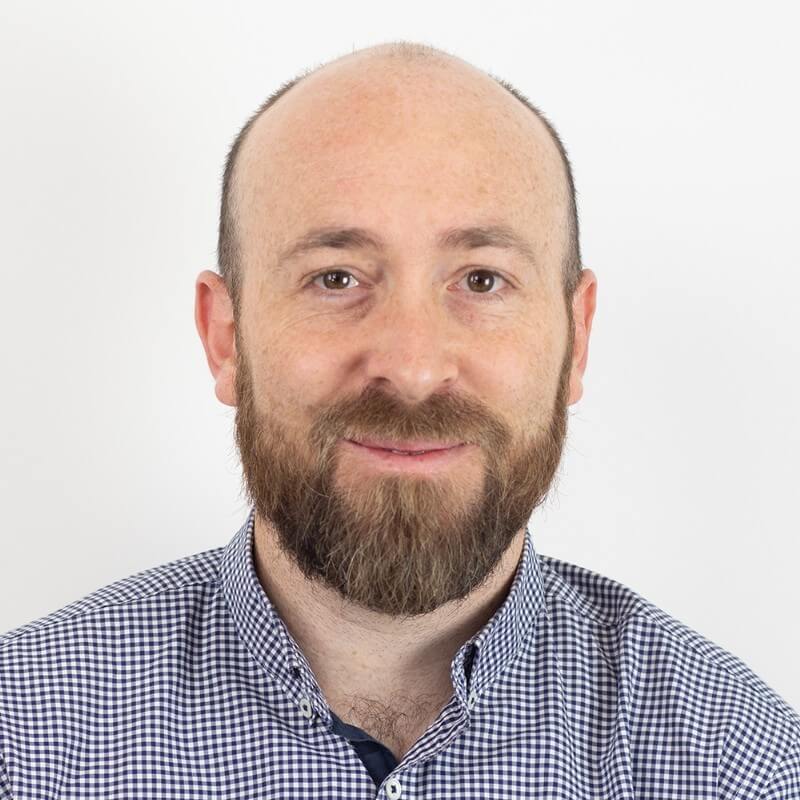
Matt Garthwaite
Abstract:
Interferometric Synthetic Aperture Radar (InSAR) has evolved from a specialist research technique into a mature Earth observation capability with the potential to support operational geohazard monitoring at regional to global scales. However, transitioning InSAR from a scientific product to trusted public infrastructure remains a significant challenge. This presentation will explore the technical, organisational and governance considerations required to establish sustainable InSAR-based services that support critical systems and informed decision-making. Drawing on experiences from national-scale geospatial and Earth observation initiatives, the presentation will discuss the role of automated processing systems, quality assurance frameworks, calibration and validation activities, integration with geodetic observations, and the growing importance of cloud-native analytical platforms. Examples from earthquake, land deformation and infrastructure monitoring applications will be used to illustrate both opportunities and remaining challenges. The presentation will conclude by considering future pathways for integrating InSAR within operational geodetic and geospatial observing systems, and the role that the international geodesy and Earth observation communities can play in supporting the transition from scientific capability to sustained public service.
09:30 – 10:15 | Discussion
10:15 – 10:45 | Break
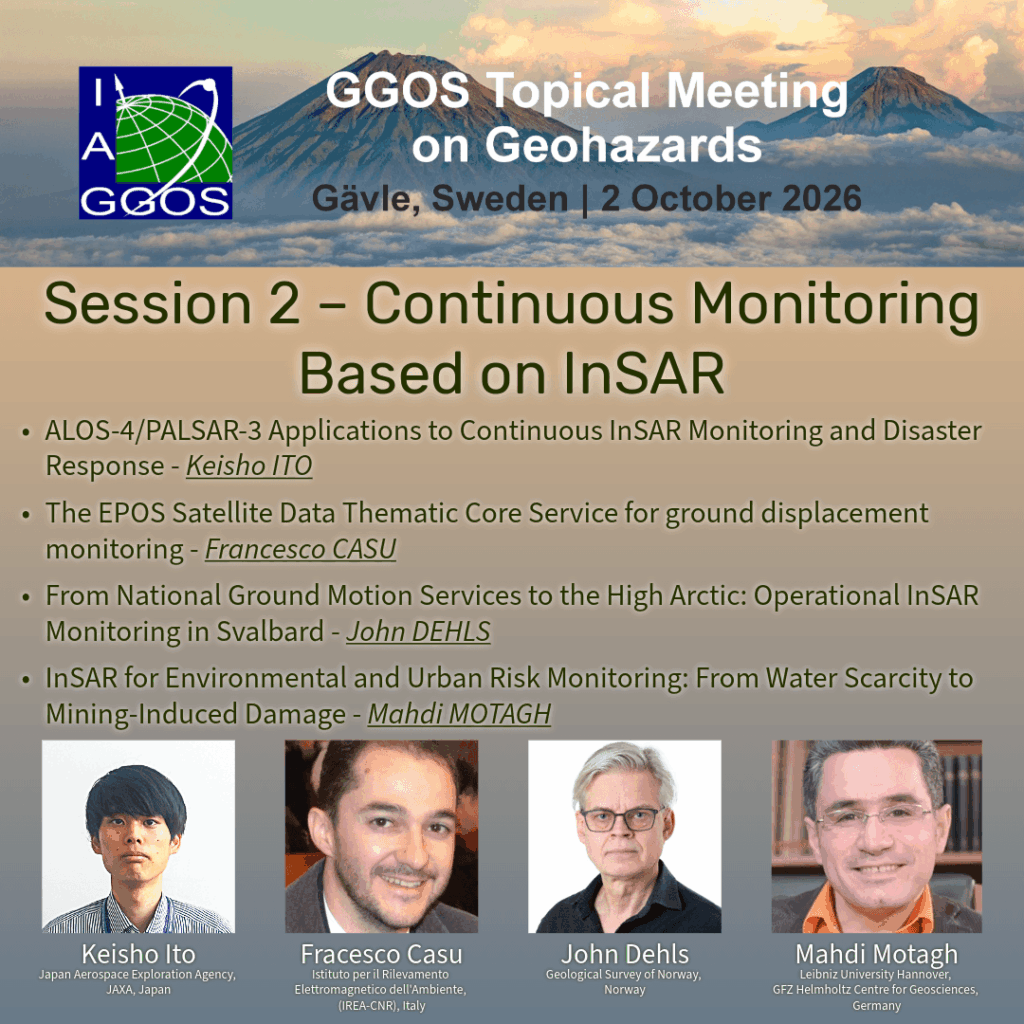
10:45 – 12:30 | Session 2 – Continuous Monitoring Based on InSAR
10:45 – 11:00 | ALOS-4/PALSAR-3 Applications to Continuous InSAR Monitoring and Disaster Response
Keisho ITO, Japan Aerospace Exploration Agency - JAXA, Japan
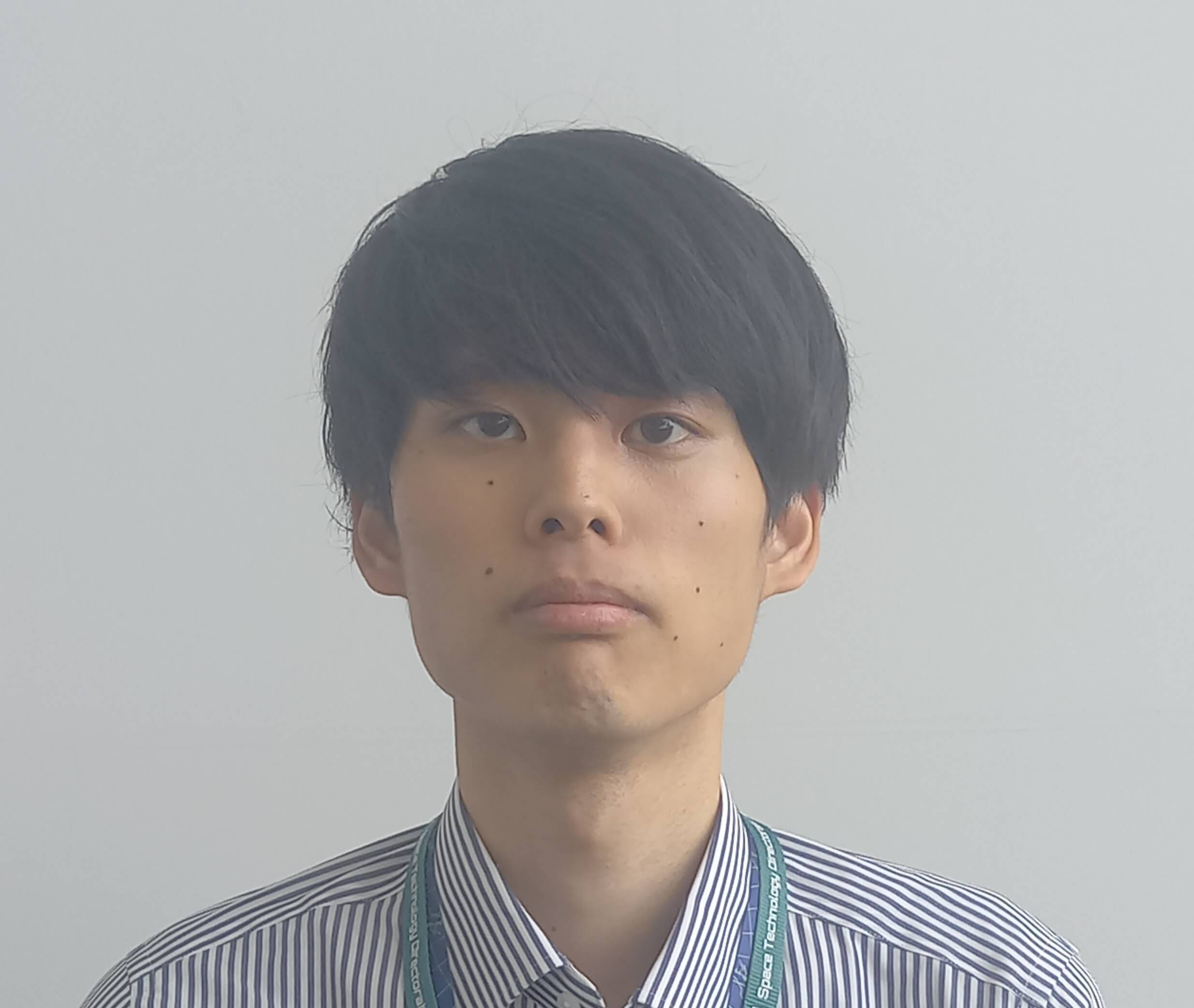
Keisho Ito
Abstract:
ALOS-4, launched by JAXA in 2024, is an Earth observation satellite equipped with the L-band synthetic aperture radar PALSAR-3. The mission advances the long-term L-band SAR observation series established by ALOS and ALOS-2. PALSAR-3 provides wide-area imaging capability while maintaining fine spatial resolution, and its continuous surface observations, independent of weather conditions and daylight, are being applied to the detection and understanding of surface deformation associated with earthquakes, volcanic activity, landslides, land subsidence, and other phenomena. This presentation provides an overview of ALOS-4/PALSAR-3 and its current operational status, and reports on its applications to crustal deformation and geohazard monitoring. In particular, the presentation focuses on interferometric SAR, highlighting the characteristics of L-band SAR, the significance of wide-area and frequent observations, rapid observations after disaster events, and the applicability of ALOS-4 to continuous deformation monitoring. Through actual observation results and use cases, this presentation will show how ALOS-4 observation data can contribute to disaster response and area-wide understanding of surface deformation.
11:00 – 11:15 | The EPOS Satellite Data Thematic Core Service for ground displacement monitoring
Francesco CASU | Istituto per il Rilevamento Elettromagnetico dell’Ambiente (IREA-CNR), Italy
Fracesco Casu
Abstract:
We present the activities of the EPOS Satellite Data Thematic Core Service (SATD-TCS) dedicated to Earth surface displacement monitoring. The SATD-TCS primarily exploits Interferometric Synthetic Aperture Radar (InSAR) techniques to provide deformation maps for the analysis of single events, and displacement time series for investigating the temporal evolution of deformation phenomena. We provide different examples of the SATD-TCS products relevant to real case studies including volcanoes, earthquakes, and landslides. Finally, to overcome some of the InSAR limitations, we show how complementary observations, such as those provided by Global Navigation Satellite Systems (GNSS), can be integrated to calibrate the InSAR products and retrieve three-dimensional ground displacement fields.
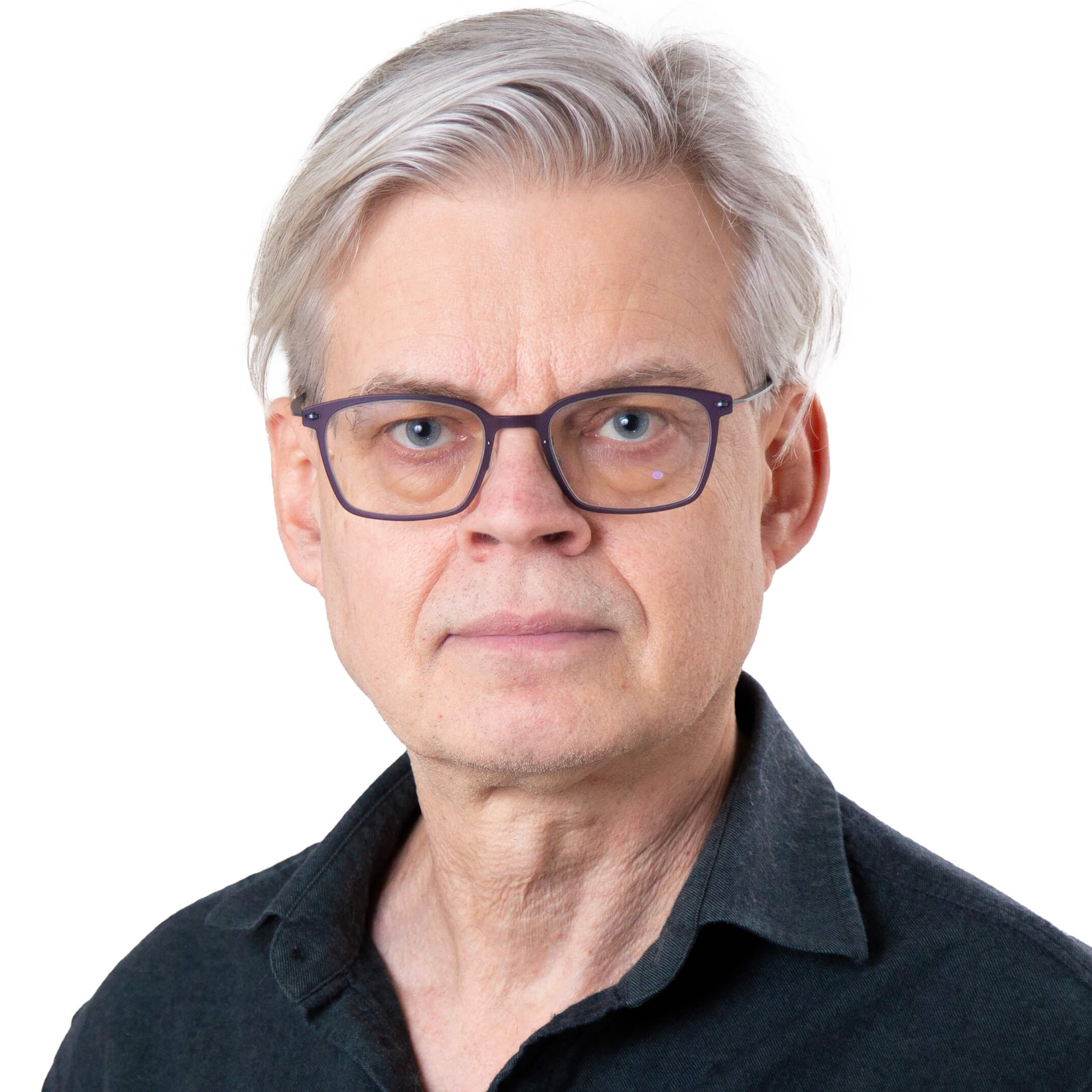
11:15 – 11:30 | From National Ground Motion Services to the High Arctic: Operational InSAR Monitoring in Svalbard
John DEHLS, Geological Survey of Norway, Norway
John Dehls
John Dehls(1), Gökhan Aslan(1), Line Rouyet(2), Marie Bredal(1), Tom Rune Lauknes(2), Lotte Wendt(2), Daniel Stødte(2), Heidi Hindberg(2), Jelte von Oostveen(2), Yngvar Larsen(2), Emma Hauglin(1), Dag Anders Moldestad(3)
(1)Geological Survey of Norway (NGU), (2)NORCE Norwegian Research Centre AS, (3) Norwegian Space Agency
Abstract:
Operational InSAR-based ground motion services have become an established component of national and continental-scale geohazard monitoring. Services such as InSAR Norway and the European Ground Motion Service (EGMS) demonstrate how systematic processing of Sentinel-1 data can provide regularly updated information on ground deformation for a wide range of applications, including landslides, subsidence, infrastructure monitoring and natural hazard assessment. Extending these approaches to Arctic environments introduces new challenges related to seasonal snow cover, strong seasonal deformation signals, sparse infrastructure, and rapidly changing permafrost conditions. The InSAR Svalbard Ground Motion Service was developed to address these challenges and provide systematic deformation monitoring across selected areas of the High Arctic. Based on Sentinel-1 time-series analysis, the service combines seasonal and interannual displacement products to characterize both short-term thaw-related deformation and longer-term ground stability trends. The current implementation covers key settlements, research stations, infrastructure corridors and geomorphologically active areas in western and central Spitsbergen. This presentation discusses the development of the service within the broader context of operational ground motion monitoring. Particular attention is given to the adaptations required for continuous permafrost environments, the challenges of sustaining operational monitoring in remote regions, and the role of long-term InSAR observations in supporting hazard assessment, infrastructure management and climate-change adaptation in the Arctic.
11:30 – 11:45 | InSAR for Environmental and Urban Risk Monitoring: From Water Scarcity to Mining-Induced Damage
Mahdi MOTAGH, Leibniz University Hannover, GFZ Helmholtz Centre for Geosciences, Germany
Mahdi Motagh
Ground deformation caused by excessive groundwater extraction for agriculture and mining has become a major environmental concern worldwide. Interferometric Synthetic Aperture Radar (InSAR) and advanced InSAR time-series methods enable large-scale monitoring of ground deformation, but their performance often deteriorates in low-coherence areas affected by vegetation growth, irrigation, and other decorrelation mechanisms. In urban environments, risk assessment is further complicated by the limited spatial resolution of SAR data and geometric distortions associated with radar imaging. These limitations have even prompted criticism from other geoscience communities, who argue based on recent studies that InSAR-derived deformation fields may not always provide sufficiently reliable information for decision-making related to geohazards and environmental management. In this study, we present a comparative evaluation of InSAR applications addressing groundwater depletion, subrosion process and mining-induced damage, with a particular focus on the reproducibility and reliability of results across different environmental settings and processing algorithms. We examine case studies from water-scarce regions in Iran and China to assess the robustness of InSAR-derived deformation estimates in challenging agricultural landscapes. We further investigate how the integration of multi-sensor observations, rigorous validation, and geophysical modelling can facilitate the estimation of physically meaningful subsurface parameters, thereby improving risk assessment in active subsidence areas across Germany.
11:45 – 12:30 | Discussion
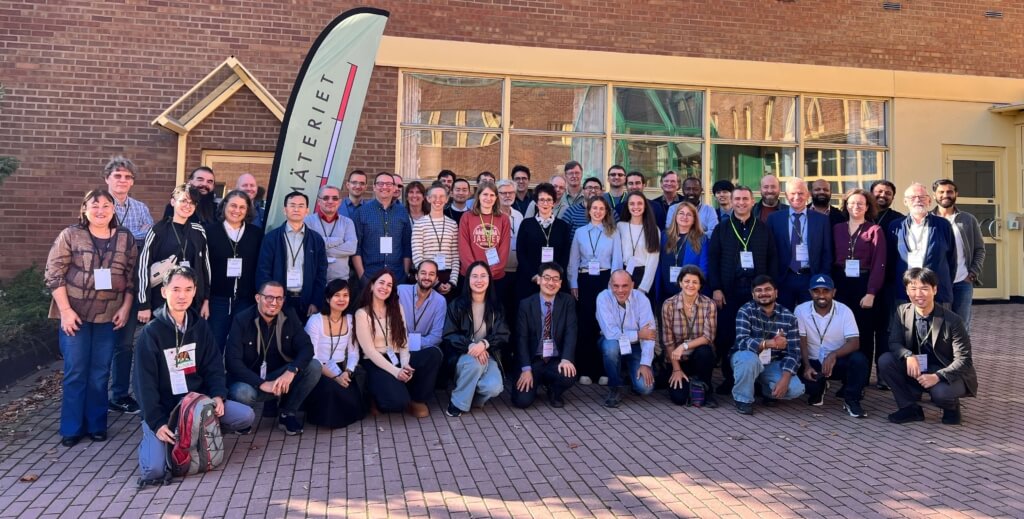
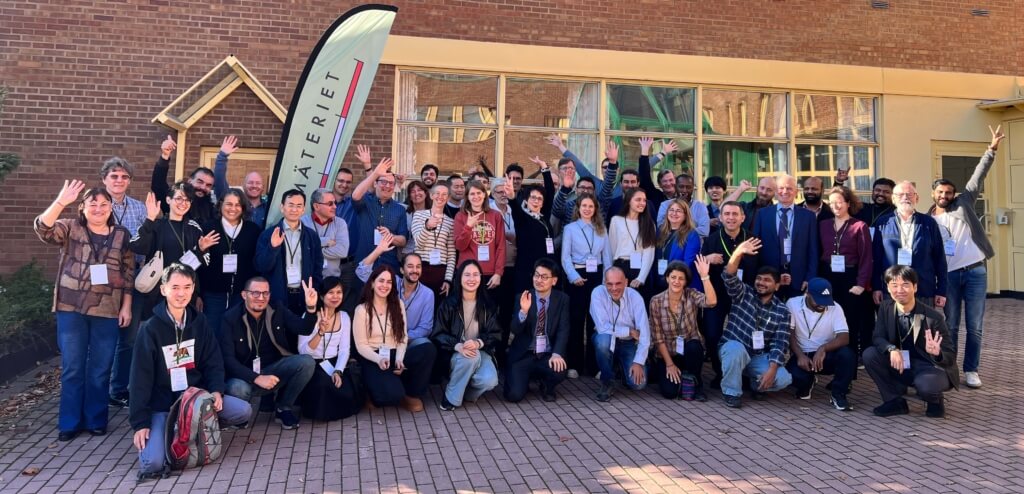
12:30 – 12:40 | Group Photo
at entrance of Lantmäteriet
12:30 – 13:30 | Lunch Break
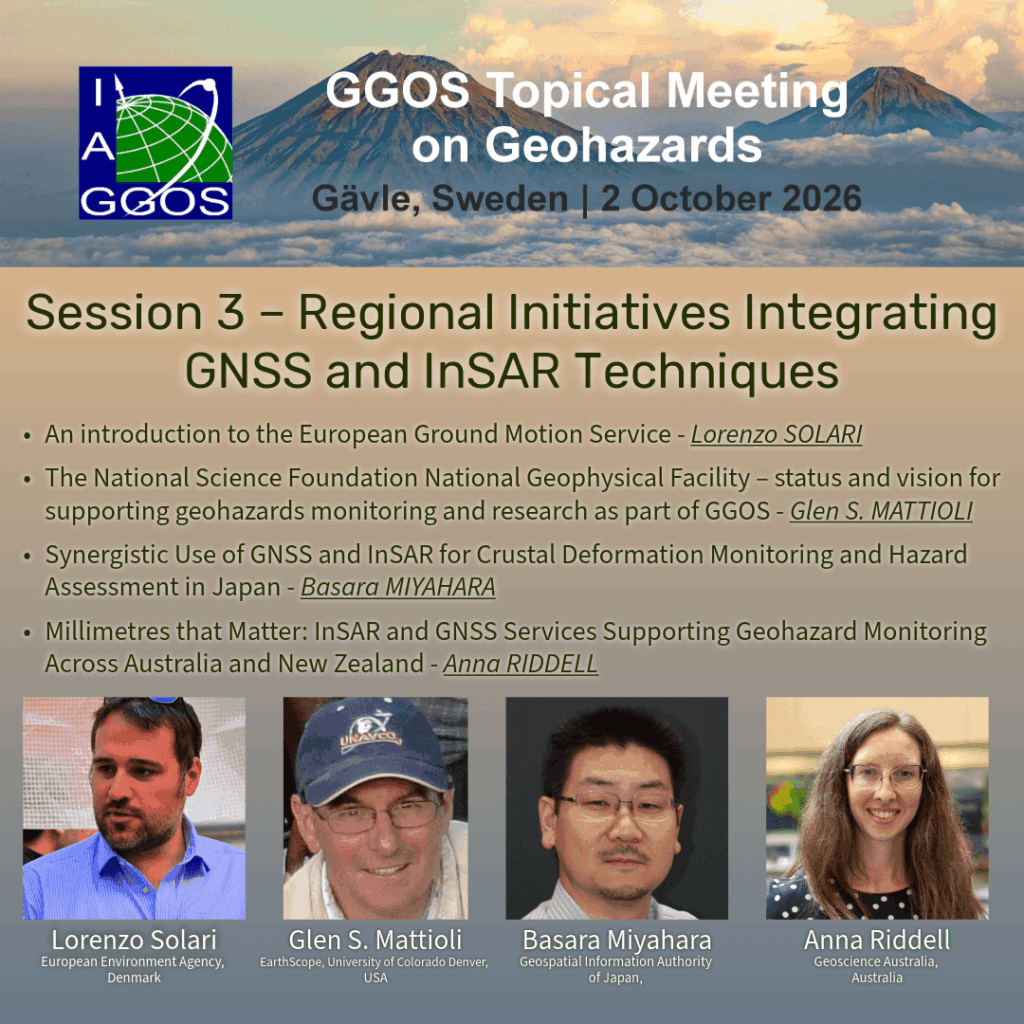
13:30 – 15:15 | Session 3 – Regional Initiatives Integrating GNSS and InSAR Techniques
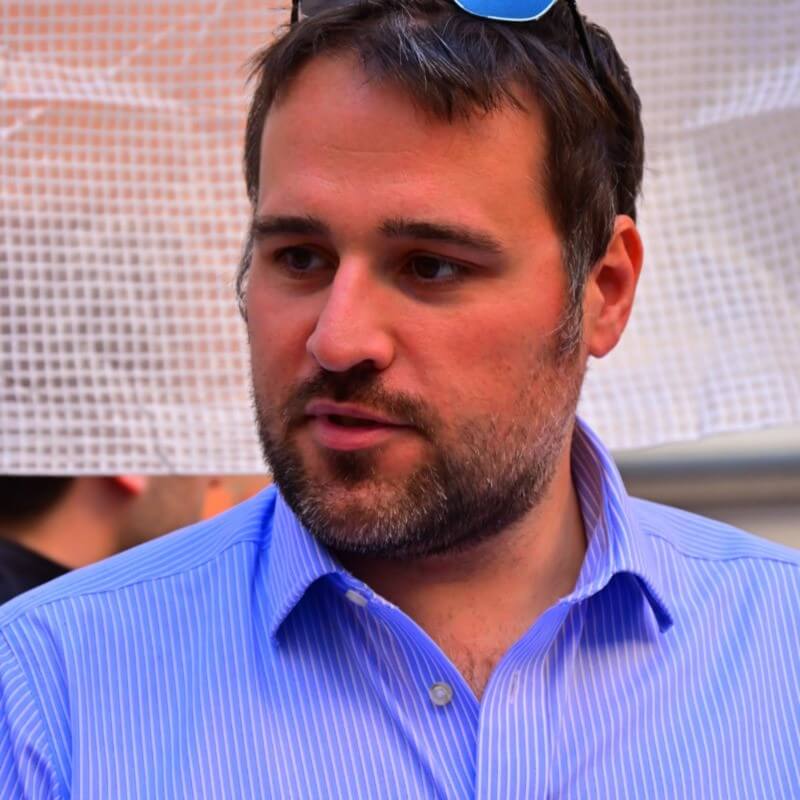
13:30 – 13:45 | An introduction to the European Ground Motion Service
Lorenzo SOLARI, European Environment Agency, Denmark
Lorenzo Solari
Abstract:
The European Ground Motion Service (EGMS), a product part of the Copernicus Land Monitoring Service, provides harmonised, pan-European measurements of ground deformation based on InSAR data from Sentinel-1 satellites. Its portfolio includes three data layers: Basic, Calibrated, and Ortho. The Basic product delivers line-of-sight deformation measurements, the Calibrated product aligns these to a geodetic reference frame derived from thousands of GNSS stations in Europe, and the Ortho product transforms this information into the vertical and horizontal components of the motion. A key element of EGMS production is the integration of GNSS data, which provides absolute positioning information to calibrate and stabilise the InSAR-derived measurements. Operationally, EGMS is updated on yearly basis and follows precise quality control rules, and it is regularly validated.
13:45 – 14:00 | The National Science Foundation National Geophysical Facility – status and vision for supporting geohazards monitoring and research as part of GGOS
Glen S. MATTIOLI, Vice President for Instrumentation, EarthScope Consortium and NSF NGF Co-PI, USA
Glen Mattioli
Abstract:
The EarthScope Consortium formed in 2023 with the merger of two antecedent nonprofit consortia, the Incorporated Research Institutions for Seismology (IRIS) and UNAVCO, each with a long history of support for geophysics research and education. EarthScope was selected by the National Science Foundation (NSF) to be the operator of the newly established National Geophysical Facility (NGF) in June 2025 after a lengthy and rigorous peer-reviewed process. The NSF NGF began operation on October 1st, 2025, and supports a diverse portfolio of activities, including providing geophysical instrumentation and engineering to support independently funded research and educational activities, global and regional geophysical sensor networks (e.g. the Global Seismological Network and NASA Global GNSS Network), the Network of the Americas (NOTA) hemispherical scale GNSS network, data and metadata management of global seismic and geodetic networks and experiments, with an emphasis on Analysis Ready – Cloud Optimized data products, architectures, and systems, along with a large portfolio of community engagement activities to enhance user access to NSF NGF resources, providing training and short courses for all user levels, and workforce development through formal internship programs and partnerships with educational institutions. EarthScope, with funding from the USGS, also provides operational support for the geodetic component of ShakeAlert, the US earthquake early warning system in the states of Washington, Oregon, and California. The vision of EarthScope as the operator of the NSF NGF is to provide seamless services that are cross-disciplinary, adaptive, and highly efficient and that can be scaled and customized to meet a wide range of user needs and skill levels. My presentation will focus on the long history of support for geohazards monitoring and research, the current capabilities and role of NSF NGF within Global Geodetic Observing System (GGOS), and the vision to expand those capabilities over the current five-year award from NSF and into the decades beyond. Specific examples from the major components of NSF NGF will be discussed as they relate to GGOS and geohazards.
14:00 – 14:15 | Synergistic Use of GNSS and InSAR for Crustal Deformation Monitoring and Hazard Assessment in Japan
Basara MIYAHARA, Geospatial Information Authority of Japan (GSI), Japan
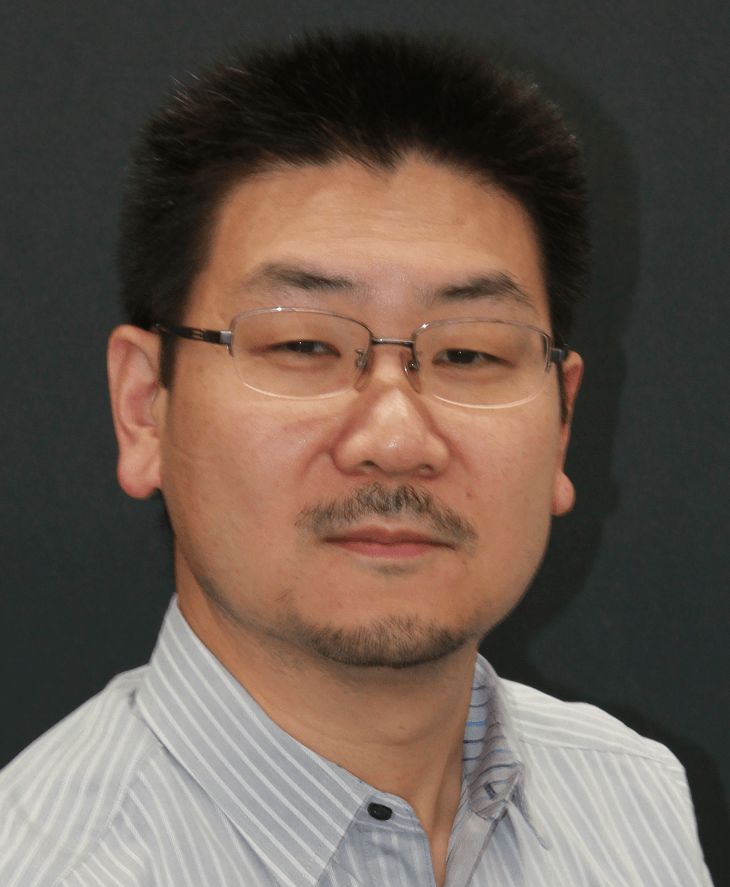
Basara Miyahara
Abstract:
GNSS and InSAR are both critical tools for capturing the spatiotemporal characteristics of Earth’s geodynamics. GNSS is a powerful technique for monitoring precise coordinate time series at observation sites, whereas InSAR has a significant advantage in providing spatially continuous snapshots of crustal deformation and surface displacement. The Geospatial Information Authority of Japan (GSI) operates a nationwide network of approximately 1,300 GNSS continuously operating reference stations (CORS) and monitors crustal dynamics across Japan using both real-time and post-processed solutions. In addition, GSI routinely performs InSAR time-series analysis using ALOS-2 and ALOS-4 data covering Japan in collaboration with JAXA. These two complementary geodetic techniques are optimally integrated to support the monitoring and assessment of seismic and volcanic hazards in Japan. This presentation will demonstrate how the combined use of GNSS and InSAR contributes to disaster risk reduction and hazard mitigation efforts in Japan.
14:15 – 14:30 | Millimetres that Matter: InSAR and GNSS Services Supporting Geohazard Monitoring Across Australia and New Zealand
Anna RIDDELL, Geoscience Australia, Australia
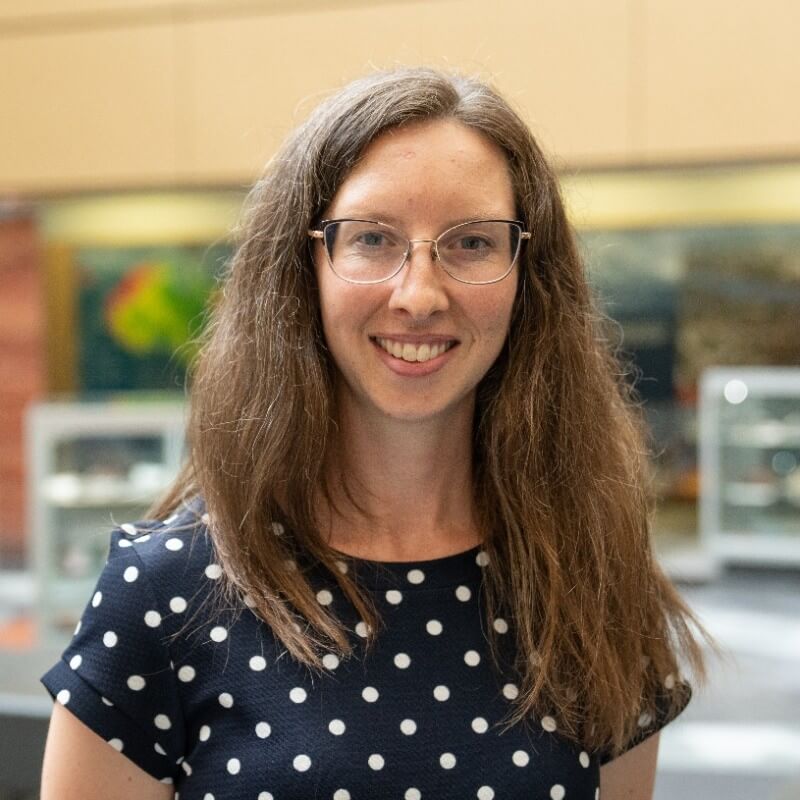
Anna Riddell
Abstract:
From creeping faults to sinking cities, geohazards leave measurable fingerprints on the Earth’s surface. Australia and New Zealand are increasingly leveraging the complementary strengths of GNSS and InSAR to monitor, understand, and respond to a wide range of geohazards. From millimetre-scale deformation measurements to regional monitoring services, this presentation will share lessons learned, innovative applications, and future opportunities for integrating geodetic observations into hazard management. Featuring examples from national programmes, collaborative research, and operational services, the session will explore the growing role of modern geodesy in hazard detection, situational awareness, and community resilience.
14:30 – 15:15 | Discussion
15:15 – 15:45 | Wrap up
Presentation slides (PDF)
All speaker are invited to upload their presentations to the GGOS Topical Meeting on Geohazards Zenodo community. This makes them public available in a long-term archive and citable via a DOI.
Participants
182 registered participants did not attend (12 on-site, 170 remote). No matching published participant found.
120Total
53On-site
67Remote
Participants by country
Loading map…
Fewer registrationsMore registrations
List of Registered Participants
Alessandra Borghi INGV Italy On-site
Andrea Rosillo Instituto Geográfico Nacional de España Spain Remote
Anna Riddell Geoscience Australia Australia On-site
Anna Schulte Ruhr University Bochum Germany Remote
Athanassios Ganas National Observatory of Athens Greece On-site
Bahruz Ahadov Institute of Geology. Ministry of Science and Education Azerbaijan Remote
Basara Miyahara Geospatial Information Authority of Japan Japan On-site
Benedict Johnson-Junglas Ruhr Univeristät Bochum Germany Remote
Benjamin Männel GFZ Helmholtz Centre for Geosciences Germany Remote
Bismark Affreh University of Gävle Sweden Remote
Boaz Odhiambo Nyakongo UNIVERSITY OF DEBRECEN Hungary On-site
Carine Bruyninx Royal Observatory of Belgium Belgium Remote
Carolina Cavalcante University of Bergen Norway Remote
Chengli Huang Shanghai Astronomical Observatory China On-site
Chethan V A Indian Institute of Science India On-site
Chrishan Puwakpitiya Gedara Lantmäteriet Sweden On-site
Daniela Thaller BKG Germany On-site
Dimitrios Anastasiou National Technical University of Athens Greece Remote
Dwijendra Nath Pandey CSIR- National Geophysical Research Institute India On-site
Edvin Fredin University of Gävle Sweden Remote
Eirin Gimmestad University of Bergen Norway Remote
Elise Kazmierczak National Geographic Institute (Belgium) Belgium Remote
Eric Pottiaux Royal Observatory of Belgium Belgium Remote
Esther Azcue National Geographic Institute of Spain Spain Remote
Faramarz Nilfouroushan Lantmäteriet/University of Gävle Sweden On-site
Fathan Arga Alfausta Marsetyo Bandung Institute of Technology Indonesia Remote
Fengchun Shu Shanghai Astronomical Observatory China On-site
Filip Kostadinovic Republic Geodetic Authority of Serbia Serbia Remote
Francesca Silverii Istituto Nazionale di Geofisica e Vulcanologia Italy On-site
Francesco Casu CNR-IREA Italy On-site
Francesco Pintori INGV Italy On-site
Franz Meyer University of Alaska Fairbanks United States of America (USA) On-site
Freek van Leijen Delft University of Technology Netherlands Remote
Gabriel Stollhof Austrian Power Grid AG Austria Remote
Glen Mattioli EarthScope Consortium United States of America (USA) Remote
Godefroid Ndayikengurukiye Statens Geotekniska Institut Sweden Remote
Helena Ribeiro Direção-Geral do Território Portugal Remote
Helmut Klima Federal Office of Metrology and Surveying Austria On-site
Helmut Titz Federal Office of Metrology and Surveying Austria Remote
Hermann Drewes Technical University Germany On-site
Holger Steffen Lantmäteriet Sweden On-site
Ihtisham Khan Wroclaw University of Science and Technology Poland Remote
Iqra Hassan University of Engineering and Technology, Lahore, Pakistan Pakistan Remote
Iwona Kudłacik Wroclaw University of Environmental and Life Sciences Poland On-site
Jaakko Mäkinen Finnish Geospatial Research Institute FGI Finland Remote
Jakob Klotz University of Innsbruck Austria Remote
Jan Dousa RIGTC Czechia Remote
Jeff Freymueller Michigan State University United States of America (USA) On-site
Johan Wahlberg Wahlberg Geodata AB Sweden Remote
John Dehls Geological Survey of Norway Norway On-site
Jonathan Bedford Tectonic Geodesy working group, Institute of Geosciences, Ruhr University Bochum Germany Remote
Jonathan Jansson Högskolan i Gävle Sweden Remote
Julie Elliott Michigan State University United States of America (USA) Remote
Juraj Papco Slovak University of Technology Slovakia Remote
kamel hasni Centre of Space Techniques Algeria Remote
Kasper Fischer Ruhr University Bochum Germany Remote
Keisho Ito JAXA Japan On-site
Laura Pedretti University of Pavia Italy Remote
Laura Sanchez DGFI-TUM Germany On-site
Layachi Abdelkebir ENSGTS – École Nationale Supérieure des Sciences Géodésiques et des Techniques Spatiales (PhD Researcher in Geodesy) Algeria On-site
Linus Jonsson Högskolan i Gävle Sweden Remote
Liubov Poshyvailo-Strube United Nations Global Geodetic Centre of Excellence (UN-GGCE) Germany On-site
Lorenzo Solari EEA-CLMS Denmark On-site
Luis Carvalho Universidade Beira Interior Portugal Remote
Luis Miguel Peci Real Instituto y Observatorio de la Armada Spain Remote
Lyubka Pashova National Institute of Geophysics, Geodesy and Geography - Bulgarian Academy of Sciences Bulgaria Remote
Madara Znotiņa Latvian Geospatial information agency Latvia Remote
Mahdi Motagh GFZ Helmholtz Centre for Geosciences Germany On-site
Marco Salvador e-GEOS Italy Remote
Martin Ferianc GKU Bratislava Slovakia Remote
Martin Lidberg Lantmäteriet Sweden On-site
Martin Maranon Stockholm University Sweden On-site
Martin Sehnal BEV - Federal Office of Metrology and Surveying Austria On-site
Masafumi Ishigaki Geospatial Information Authority of Japan Japan On-site
Masato Furuya Hokkaido University Japan On-site
Mats Öberg Swedish Geotechnical Institute Sweden Remote
Matt Garthwaite CSIRO Australia On-site
Meriam lahsaini JRC Italy Remote
Michal Kovář Czech Technical University in Prague Czechia Remote
Miguel González Instituto Geográfico Nacional (IGN) of Spain Spain Remote
Miguel Ángel González Moreno IGN Spain Spain Remote
Mila Atanasova-Zlatareva National Institute of Geophysics, Geodesy and Geography - Bulgarian Academy of Sciences Bulgaria On-site
Muharrem Hilmi Erkoç Yıldız Technical University Turkey On-site
Mukhtiar Ghani University of Göttingen Germany On-site
Mustafa Toker Yuzuncu Yil University: Van Yuzuncu Yil Universitesi Turkey On-site
Nancy Joy Lim Högskolan i Gävle Sweden On-site
Natalia Wielgocka Wrocław University of Environmental and Life Sciences Poland Remote
Nicolas Le Corvec fiñv France Remote
Nureldin Gido Lantmäteriet Sweden On-site
Pakize Küreç Nehbit Kocaeli University Turkey Remote
Patrick Michael NASA - CRUSTAL DYNAMICS DATA INFORMATION SYSTEM (CDDIS) United States of America (USA) On-site
Peter Clarke Newcastle University United Kingdom Remote
Peter Teunissen Delft University of Technology Netherlands On-site
Petya Angelova-Koevska National institute of geophysics, geodesy and geography, Bulgarian academy of science Bulgaria On-site
Ramji Dwivedi Mnnit Allahabad India Remote
Ramon Hanssen Delft University of Technology (TU Delft) Netherlands On-site
Rebekka Steffen Lantmäteriet Sweden On-site
Richard Gross International Association of Geodesy United States of America (USA) On-site
Rosa Pacione e-geos Italy Remote
Rui Fernandes University of Beira Interior Portugal On-site
Ryo Kato JAXA Japan On-site
Saeid Aminjafari Stockholm University Sweden On-site
Seember Gbargbar Renaissance Africa Energy Company Limited Nigeria Remote
Sonia Costa University of Rio de Janeiro - UERJ Brazil Remote
Tayná Gouveia TU Vienna Austria Remote
Virginia Mackern CONICET / Universidad Nacional de Cuyo, Mendoza, Argentina Argentina On-site
Wendson Souza UFPI Brazil Remote
Yohannes Getachew Ejigu National Land Survey of Finland, Finnish Geospatial Research Institute Finland On-site
Yuji Himematsu Geospatial Information Authority of Japan Japan Remote
Yuting Cheng Royal Observatory of Belgium Belgium On-site

Registration
All colleagues working on the topics of the meeting or related themes are invited to participate on-site or online. Attendance is free of charge (no registration fee), but registration is required to ensure room capacity and to coordinate the online communication.
By registering, the participants agree that their data will be stored internally in the GGOS records. The data will only be used for meeting-related organisational issues.
- In-Person Participation: On-site registration was only possible until 6 September. If any on-site participant is no longer able to attend the meeting, they are asked to withdraw their registration as soon as possible (by contacting us).
- Online Participation: Registration for remote participation is still possible until the beginning of the event. Please fill out the registration form below, and you will receive the online participation link. If you want to attend also on October 1 (or the whole TIGER Symposium), please register here for free.
Register here for GGOS Topical Meeting
⚠️ registration for remote participation only ⚠️
Dates
| Schedule and conference program | 31 August 2026 |
| Registration deadline (on-site participation) | 6 September 2026 |
| On-site participation confirmation | 15 September 2026 |
| List of participants | 15 September 2026 |
| GGOS Topical Meeting | 2 October 2026 |
Travel
Venue
The GGOS Topical Meeting on Geohazards will be hosted by Lantmäteriet, the Swedish Mapping, Cadastral and Land Registration Authority (https://www.lantmateriet.se/en/), located in:

Gävle (Sweden) is located about 150 km to the north of Stockholm. More information about the city can be found at https://www.visitgavle.se/en.
Arrival
By air : The closest airport is Stockholm Arlanda Airport (airport code ARN), which has daily connections to many European and worldwide destinations through scheduled services of a large number of international airlines. It is the largest airport in Sweden. The airport has frequent train connections to Gävle via the station Arlanda C, which is located between the terminals 5 and 4.
By train: Gävle’s railway station is located very close to the city centre. Timetables and tickets are supplied by SJ, https://www.sj.se/en.
By car: Those wishing to drive to Gävle need to enter the Scandinavian peninsula taking either a ferry to Gothenburg, Stockholm or Trelleborg, or using the Øresund Bridge, the connection between Denmark (Copenhagen) and Sweden (Malmö).
Accommodation
Information about hotel reservation will be provided to on-site participants later.
Visa
Sweden is a member of the European Union; therefore, no visa is needed for E.U. citizens. Non ‐ E.U. participants should contact their nearest Swedish Embassy or Consulate for further information. For a complete list of countries who do need to apply for a visa, check https://www.government.se/government-policy/migration-and-asylum/list-of-foreign-citizens-who-require-visa-for-entry-into-sweden/. If you do need a visa, please visit https://www.government.se/government-policy/migration-and-asylum/information-on-visas/ to find more details. Those who require a formal invitation for the purpose of obtaining a visa, or raising travel funds in their country, may contact the organisation team . Only those participants who have confirmed their contribution to the GGOS Topical Meeting will receive a formal invitation letter. Travel and medical insurance, if required, are the sole responsibility of the participant.
Contact
GGOS Coordinating Office, contact form
Coordination team
- Laura Sánchez, President of GGOS, Technische Universität München, Deutsches Geodätisches Forschungsinstitut (DGFI-TUM), Germany
- Rebekka Steffen, President IAG Commission 3 “Earth Rotation and Geodynamics”, Lantmäteriet, Sweden
- Constanza Santori, Early Career Scientist Representative, Universidad de Chile, Chile
- Holger Steffen, EPOS TCS GNSS Executive Board Chair, Lantmäteriet, Sweden
- Faramarz Nilfouroushan, Senior lecturer, University of Gävle, Sweden
- Martin Sehnal, Director of the GGOS Coordinating Office, BEV – Federal Office of Metrology and Surveying, Austria
Code of Conduct
GGOS follows the Code of Conduct of the International Union of Geodesy and Geophysics (IUGG) and their anti-harassment guidelines. These code and guidelines apply for all GGOS meetings. GGOS opposes any discrimination or harassment based on such factors as age, citizenship, disability, ethnic origin, gender identity, language, political or other opinion, religion, or sexual orientation. We will follow IUGG’s Anti-Harassment Guidelines to prevent any form of harassment or discrimination, and to ensure an inclusive atmosphere that encourages the free expression and exchange of scientific ideas and results.
All attendees of GGOS meetings have a role to play in creating an inviting and harassment-free environment through their own behaviour and by discouraging harassment and discrimination by others.
Expected Behaviour
- All attendees are treated with respect and consideration, valuing a diversity of views and opinions.
- The meeting creates an environment to allow for the professional exchange of information.
- Be considerate, respectful and collaborative. Communicate openly with respect for others, critiquing ideas rather than individuals.
- Avoid personal attacks directed toward other attendees, the local organisers or guests. Be mindful of your surroundings and of your fellow participants.
- Alert the local organisers if you notice a dangerous situation or someone in distress.
Unacceptable Behaviour
- Discrimination, harassment or intimidation is unacceptable and will not be tolerated. The local organisers may take any action necessary and deemed appropriate (see below) if attendees engage in unacceptable behaviour including removal from the meeting without warning or refund.
- Recording or taking photography of another individual’s presentation without the explicit permission of the authors is not allowed.
- Disruption of talks at oral or poster sessions, any receptions, or satellite events within the meeting in other venues.
Reporting Unacceptable Behaviour
- If you are the subject to unacceptable behaviour or may have witnessed such behaviour that violates professional and respectful participant conduct, please immediately notify the chairperson of the session if the incident has occurred during the meeting or local organisers.
- Notification can be done by contacting a local organiser on-site (e.g. at the registration desk) or you can e-mail your concern by contact form.
- All reports will remain confidential.
Actions to prevent unacceptable behaviour
- If a clear case of verbal discrimination, harassment or intimidation during a scientific session is established to have occurred, the Chairperson should act immediately to stop it. If the situation deteriorates, the Chairperson should ask the offender to leave the room.
- If any form of harassment occurs in a less openly visible way (e.g. during social activities or informal gatherings), the affected person and/or witness(es) should immediately report it to one of the organisers. The affected person has the option to pursue a formal procedure.
- In cases described above, the organiser should prepare written notes of the incident, attaching any evidence and identifying any witnesses. The organiser should then give the alleged offender the opportunity to be heard and to respond to the allegation.
- A full report of the incident should then be sent to the organisers via contact form
- , who will promptly report to the IAG and IUGG Officers any case of harassment that occurred during an IAG or IUGG-supported meeting.
- Harassment incidents or behaviour that occur outside IAG or IUGG activities referred to above will be considered only when a formal investigation of the case has been conducted by the relevant authority (e.g. the institution, to which the individual is affiliated) and made known to the IAG and IUGG Executive Committees. In those cases that involve an IUGG or Association officer, the Executive Committee may decide to take disciplinary actions against that person.
IAG as part of the IUGG

IAG Related Organisations
IAG collaborates closely with numerous organizations within geodesy and beyond. See the list for details.

This website is provided by the IAG Secretariat and the GGOS Coordinating Office, which are hosted by the BEV – Federal Office of Metrology and Surveying (Bundesamt für Eich- und Vermessungswesen) in Vienna, Austria.